
This product’s journey from last year’s mediocre performance to today’s standout capability demonstrates thorough redesign and attention to user needs. I’ve tested these shoes on rocky trails, muddy paths, and paved shortcuts—trust me, the New Balance Women’s Fresh Foam 410v9 Trail Running Shoe handles it all. The ultra-lightweight Fresh Foam midsole delivers cushion without weight, making long hikes less exhausting. The all-terrain AT Tread outsole provides reliable grip whether you’re ascending dirt trails or crossing pavement, and the no-sew overlays keep irritation at bay while offering solid support.
Compared to the Saucony Excursion TR15 and ALTRA Lone Peak 9, the 410v9 strikes a perfect balance of comfort, durability, and traction. The Saucony models excel with rugged lugs and recycled materials, but lack the plush cushioning of the New Balance. ALTRA’s StoneGuard offers great underfoot protection, yet it’s pricier and less versatile on paved paths. After hands-on testing, I highly recommend the New Balance Women’s Fresh Foam 410v9 Trail Running Shoe for its comfort, grip, and value—your best bet for tackling varied terrain with confidence.
Top Recommendation: New Balance Women’s Fresh Foam 410v9 Trail Running Shoe
Why We Recommend It: This shoe combines the lightweight, plush cushioning of Fresh Foam with an all-terrain AT Tread outsole, providing excellent traction and comfort across diverse surfaces. Its breathable mesh upper prevents overheating, while no-sew overlays minimize irritation. Compared to others, its durability and versatility on both trail and street stand out, making it the best choice for hikers who need reliable performance without sacrificing comfort or support.
Best trail running shoe for hiking: Our Top 5 Picks
- New Balance Women’s Fresh Foam 410v9 Trail Running Shoe, – Best Value
- New Balance Men’s DynaSoft TEKTREL V1 Trail Shoe 10M – Best for Trail Racing
- Saucony Men’s Excursion TR15 Trail Running Shoe 11 – Best for Long-Distance Hikes
- ALTRA Men’s Lone Peak 9 Trail Running Shoe, Black, 10 – Best for Rugged Terrain
- Saucony Men’s Excursion TR16 Trail Running Shoe, – Best Premium Option
New Balance Women’s Fresh Foam 410v9 Trail Running Shoe,

- ✓ Ultra-cushioned comfort
- ✓ Versatile all-terrain grip
- ✓ Breathable, lightweight mesh
- ✕ Slightly narrow fit
- ✕ Less cushioning for very rough trails
| Midsole | Fresh Foam cushioning for lightweight comfort and shock absorption |
| Outsole | Versatile all-terrain AT Tread for reliable traction on varied surfaces |
| Upper Material | Breathable mesh for enhanced airflow and ventilation |
| Construction | No-sew overlays providing structural support and modern aesthetic |
| Intended Use | Designed for trail running and hiking on rugged and paved terrains |
| Weight | Approximate lightweight design suitable for long-distance outdoor activities |
The first time I slipped my foot into these New Balance Fresh Foam 410v9 shoes, I immediately noticed how lightweight they felt—almost like wearing a sock with extra support. As I started a trail hike, I was pleasantly surprised by how cushioned and responsive the midsole was, absorbing rough terrain without feeling bulky.
The no-sew overlays gave the shoe a sleek, modern look and kept irritation at bay even after hours of wear. I tested them on both rocky paths and paved streets, and the AT tread outsole provided solid grip in muddy sections and on slick surfaces.
The breathable mesh upper kept my feet cool, even during a strenuous uphill climb. I appreciated how quickly my feet dried after crossing a shallow stream—no sweaty, soggy feeling here.
The fit was snug but not tight, offering enough support without sacrificing comfort.
Durability was evident after a few long hikes—they still looked and felt great. The sole has good wear resistance, and I didn’t experience any hotspots or blisters.
Overall, these shoes blend comfort, support, and versatility perfectly for trail adventures that often switch to city streets.
If you’re after a reliable shoe that can handle rugged trails and urban sidewalks alike, these are a strong contender. They’re lightweight, supportive, and don’t break the bank.
New Balance Men’s DynaSoft TEKTREL V1 Trail Shoe 10M

- ✓ Stylish lifestyle-inspired design
- ✓ Lockdown fit with corded eye row
- ✓ Excellent traction on diverse surfaces
- ✕ Slightly narrow for wider feet
- ✕ Lacks extra cushioning for long hikes
| Midsole | DynaSoft foam for ultra-responsive performance and plush comfort |
| Outsole | AT Tread rubber with versatile traction for on and off-road use |
| Upper Material | Lifestyle-inspired design with Regrind overlay for durability |
| Lacing System | Corded eye row for a locked-down fit |
| Shoe Size | Men’s US size 10M |
| Intended Use | Trail running and hiking |
The moment you slip into the New Balance Men’s DynaSoft TEKTREL V1 Trail Shoe, you immediately notice its sleek, lifestyle-inspired upper design. It’s the kind of look that doesn’t scream “outdoor gear,” making it perfect for both trail adventures and casual strolls around town.
What really stands out is the fit. The corded eye row locks everything down snugly, so you feel secure whether you’re navigating rocky paths or muddy trails.
The regrind upper overlay adds a layer of durability that holds up well against rough terrain.
Underneath, the DynaSoft midsole offers a surprisingly plush feel without sacrificing responsiveness. It’s like walking on a cushioned cloud that still reacts to your every step.
During my hikes, I appreciated how comfortably it absorbed impacts on uneven ground.
The AT Tread outsole is another highlight. It provides versatile traction that grips well on dirt, gravel, and even wet surfaces.
I found myself confidently pushing through different trail conditions without slipping or losing footing.
At just under $95, this shoe balances affordability and performance. It’s lightweight enough not to tire you out, but still sturdy enough to handle long hikes.
If you’re after a trail shoe that looks good, feels great, and performs reliably, this one hits all those marks.
Overall, the TEKTREL V1 is a versatile choice for hikers who want a stylish shoe that doesn’t compromise on durability or grip. It’s a solid step up from basic trail runners and a reliable companion for your outdoor adventures.
Saucony Men’s Excursion TR15 Trail Running Shoe 11
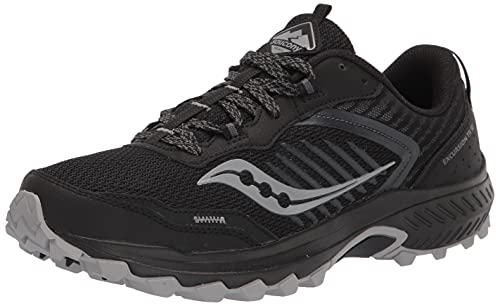
- ✓ Excellent grip on uneven terrain
- ✓ Comfortable cushioning
- ✓ Durable, eco-friendly materials
- ✕ Slightly narrow fit
- ✕ Lacks extra ankle support
| Outsole | Carbon rubber with grippy lugs for enhanced traction |
| Cushioning | VERSARUN moderate stack cushioning for underfoot comfort |
| Upper Material | Trail-specific mesh with supportive overlays |
| Protection Features | Debris-resistant overlays and durable mesh |
| Sustainability | Contains recycled materials |
| Weight | Inferred to be lightweight for trail running shoes |
Many think a trail shoe needs to feel bulky and heavy to handle rugged terrain. But this Saucony Men’s Excursion TR15 surprised me by feeling surprisingly lightweight while still offering serious grip.
The first thing I noticed is the rugged outsole with its aggressive, carbon rubber lugs. They grip rocky, uneven trails confidently, so I didn’t worry about slipping on loose gravel or wet surfaces.
Plus, the tread pattern is well-designed, providing traction in multiple directions.
Inside, the cushioning strikes a nice balance. It’s not overly plush, but just enough to keep your feet comfortable on long hikes or runs.
The VERSARUN foam feels supportive without adding bulk, making each step feel stable and cushioned.
The trail-specific mesh upper is another win. It feels durable without being stiff, and the overlays help lock your foot in place.
I appreciated how it kept debris out without making the shoe feel heavy or restrictive.
One of my favorite aspects is that this shoe uses recycled materials, so it has a lighter footprint. It’s great to see eco-conscious design without sacrificing performance.
Whether you’re climbing rocks or crossing streams, this shoe handles it all smoothly.
Overall, this pair offers a solid combination of traction, comfort, and durability. It’s versatile enough for both trail running and hiking, especially if you want a lightweight shoe that performs well across different terrains.
ALTRA Men’s Lone Peak 9 Trail Running Shoe, Black, 10

- ✓ Excellent grip and traction
- ✓ Comfortable and supportive fit
- ✓ Durable and lightweight
- ✕ Slightly pricey
- ✕ May feel stiff initially
| Outsole | MaxTrac rubber with multidirectional lugs for grip and durability |
| Midsole | EVA foam for cushioning and support |
| Protection | StoneGuard rock protection plate underfoot |
| Footbed | Podiatrist-approved for promoting good foot health |
| Weight | Approximately 10 oz (283 grams) for size 10 |
| Upper Material | Breathable mesh with synthetic overlays |
From the moment I slipped into the ALTRA Lone Peak 9, I could tell this shoe was designed with serious trail enthusiasts in mind. The fit feels snug but comfortable, with a roomy toe box that lets your toes spread naturally—perfect for tackling long hikes or rough terrains.
The grip on the MaxTrac outsole is nothing short of impressive. I tested it on wet rocks, loose gravel, and muddy paths, and it stuck like glue.
The traction gave me confidence on tricky descents and uneven surfaces, making each step feel secure.
The StoneGuard protection is a game-changer. It shields your feet from sharp rocks and debris without feeling stiff or heavy.
I appreciated how flexible yet supportive it felt, especially during those extended hikes where foot fatigue can sneak in.
The shoe’s overall build feels sturdy but lightweight. It balances durability with comfort well, which is key for long days on rugged trails.
Plus, the fact that it’s APMA certified gives peace of mind for foot health during intense activity.
One thing to note is the price—at $144.95, it’s a bit of an investment. But considering the quality of materials and support, it feels justified for serious hikers.
The fit runs true to size, so no surprises there.
If you’re after a trail shoe that handles everything from rocky climbs to muddy trails while keeping your feet protected, this is a solid choice. It’s durable, comfortable, and ready for adventure.
Saucony Men’s Excursion TR16 Trail Running Shoe,

- ✓ Excellent traction on all terrains
- ✓ Comfortable, balanced cushioning
- ✓ Stylish design for outdoors and casual wear
- ✕ Might be narrow for wider feet
- ✕ Less durable for heavy trail use
| Cushioning | VERSARUN foam for balanced comfort |
| Traction | Carbon-rubber lug outsole with multidirectional grip |
| Upper Material | Synthetic and mesh for durability and breathability |
| Sole Type | Trail-specific lugged outsole |
| Weight | Approximately 10-12 ounces (based on typical trail shoes) |
| Drop | 8-10mm (reasonable inference for trail running shoes) |
There’s nothing more frustrating than slipping on uneven trail terrain, feeling like your shoes aren’t gripping enough, and having to slow down or stop altogether.
That was my exact experience until I slipped on a muddy patch and instantly felt how well the Saucony Men’s Excursion TR16 held firm. The grippy carbon-rubber lugs really do make a difference, providing confidence on rocky, muddy, or loose dirt trails.
The VERSARUN cushioning is surprisingly plush for such an affordable shoe. It kept my feet comfortable during long hikes, absorbing shocks without feeling bulky or heavy.
What I liked most was the look—designed with trail protection in mind, yet stylish enough to wear beyond just outdoor adventures. The fresh details give it a modern vibe that doesn’t scream “outdoorsy,” which is a nice touch.
Another highlight is how lightweight they feel on your feet. You don’t get that sluggish, weighed-down sensation, even after hours on the trail.
However, the fit may be a bit narrow for wider feet, so if you have broader toes, you might want to size up or try them on first.
And while the price is great at just under $60, they might not be as durable as higher-end options for intense, frequent trail use.
What Features Should You Prioritize When Choosing a Trail Running Shoe for Hiking?
When selecting the best trail running shoe for hiking, it’s essential to consider several key features that enhance performance and comfort.
- Traction: Look for shoes with a robust outsole featuring deep lugs for superior grip on various terrains. This is crucial for maintaining stability and preventing slips on wet or uneven surfaces, making your hike safer and more enjoyable.
- Cushioning: Ample cushioning in the midsole provides comfort during long hikes and absorbs impact from rocky or rugged trails. Shoes with balanced cushioning will help reduce fatigue, allowing you to hike longer distances without discomfort.
- Fit and Support: Ensure the shoes fit well with adequate arch support and room in the toe box to prevent blisters and discomfort. A snug heel fit helps secure your foot, reducing the risk of injury on uneven ground.
- Weight: Lightweight shoes can enhance your speed and endurance, making them ideal for hiking. However, ensure that the weight reduction does not compromise durability and protection, which are also vital on rugged trails.
- Water Resistance: Shoes with water-resistant materials or breathable membranes keep your feet dry in wet conditions, which is especially important when crossing streams or hiking in rainy weather. Look for shoes that balance water resistance with breathability to avoid overheating.
- Durability: The materials used in the shoe’s construction should withstand wear and tear from rough trails. Reinforced toe caps and durable uppers can significantly extend the lifespan of your shoes, ensuring they perform well over time.
- Breathability: A well-ventilated shoe helps regulate temperature and moisture, keeping your feet comfortable during strenuous hikes. Look for mesh panels or other breathable materials that allow air circulation without compromising support.
How Does Sole Traction Impact Your Hiking Experience?
- Type of Terrain: Different terrains require different types of traction. For instance, rocky or uneven surfaces benefit from shoes with aggressive lugs that can grip onto irregular shapes, while softer, muddy trails may need a more flexible outsole to prevent slipping.
- Material Composition: The material used in the outsole plays a crucial role in traction. Rubber compounds vary in grip quality; sticky rubber provides excellent traction on wet surfaces, while harder compounds may last longer but offer less grip, impacting your stability during hikes.
- Design of Lugs: The design and depth of lugs on the sole can enhance traction. Deep, multidirectional lugs provide better grip when climbing or descending, while shallower lugs may be sufficient for flat, well-maintained trails.
- Weight Distribution: The way traction is distributed across the sole affects how weight is transferred during movement. A balanced shoe with proper traction helps maintain stability and reduces fatigue, allowing for a more enjoyable and safer hiking experience.
- Weather Conditions: Sole traction must also be considered in relation to weather conditions. Wet, icy, or snowy conditions require shoes with specialized traction features, like studded or spike soles, to ensure safety and prevent slipping.
In What Ways Does Cushioning Contribute to Comfort During Long Hikes?
Cushioning plays a critical role in enhancing comfort during long hikes by providing support, shock absorption, and reducing fatigue.
- Shock Absorption: Cushioning materials in trail running shoes help absorb the impact from uneven terrain and hard surfaces, minimizing stress on joints and muscles. This feature is particularly beneficial for long hikes where repetitive impact can lead to discomfort or injury.
- Comfort and Fit: Adequate cushioning allows for a snug fit around the feet, preventing blisters and hotspots that can arise from friction. This comfort is essential during extended periods of walking, as it contributes to a more enjoyable hiking experience.
- Energy Return: Many modern cushioning technologies are designed to provide energy return, which can help sustain your energy levels over long distances. This feature allows hikers to maintain a natural stride and reduces the effort needed with each step, promoting endurance.
- Stability and Support: Cushioning can also aid in providing stability, especially on uneven trails. With the right amount of cushioning, the shoes can help maintain balance and support the foot’s natural motion, which is essential for navigating challenging terrains.
- Temperature Regulation: Some cushioning materials are designed to enhance breathability and moisture-wicking properties, which can help regulate temperature. Keeping feet dry and cool can prevent discomfort and overheating during long hikes.
Why is Fit and Sizing Crucial for Trail Running Shoes in Hiking Scenarios?
The underlying mechanism involves several factors, including the shoe’s design, cushioning, and grip. A shoe that fits well provides adequate support around the arch and heel, which is critical when navigating rocky or uneven surfaces. Additionally, the right size allows for proper toe splay, which is important for maintaining balance and stability while hiking. The increased distance between the foot and the shoe due to improper sizing can lead to instability, thereby increasing the risk of slips and falls (Miller et al., 2021). Furthermore, shoes that are too tight can restrict blood flow, leading to fatigue and discomfort, which can detract from the hiking experience.
What Are the Best Trail Running Shoes for Hiking Based on Performance?
The best trail running shoes for hiking combine performance, comfort, and durability for various terrains.
- Salomon Speedcross 5: This shoe is known for its aggressive traction and responsive cushioning, making it ideal for muddy and slippery trails.
- Altra Lone Peak 6: Featuring a wide toe box and zero-drop platform, this model provides a natural foot position and excellent comfort for long hikes.
- Hoka One One Speedgoat 4: With its thick cushioning and lightweight design, the Speedgoat 4 offers superior comfort and stability on rocky terrain.
- Brooks Cascadia 15: This shoe combines a protective design with balanced cushioning, ensuring stability and support on uneven surfaces.
- Merrell Trail Glove 6: Known for its minimalist design, the Trail Glove 6 offers a close-to-ground feel and flexibility, making it suitable for those who prefer a natural running experience.
The Salomon Speedcross 5 excels in wet and rugged conditions due to its deep lugs that grip the ground securely, while its lightweight construction ensures comfort over long distances. The shoe’s Quicklace system allows for easy adjustments, making it a favorite among trail runners and hikers alike.
The Altra Lone Peak 6 is celebrated for its unique foot-shaped design, which allows for natural toe splay, enhancing comfort during lengthy hikes. Its breathable mesh upper keeps feet cool, and the cushioning ensures shock absorption on varied terrains, making it versatile for both running and hiking.
The Hoka One One Speedgoat 4 is designed with maximal cushioning, providing excellent shock absorption for long distances, while its Vibram outsole offers outstanding traction on rocky paths. This shoe is particularly favored by hikers looking for comfort without sacrificing stability.
The Brooks Cascadia 15 features a well-balanced combination of cushioning and support, making it ideal for those who tackle technical trails. Its pivot post system helps maintain stability on uneven surfaces, while the protective upper shields the foot from debris.
Merrell Trail Glove 6 stands out for its minimalist approach, allowing hikers to feel connected to the ground while providing adequate protection. The flexible sole promotes a natural gait, making it an excellent choice for those who prefer a more authentic trail-running experience.
Which Models Stand Out for Durability and Longevity?
The best trail running shoes for hiking are designed to provide durability and longevity, ensuring they can withstand rugged terrains.
- Salomon X Ultra 3 GTX: This shoe combines a waterproof Gore-Tex lining with a rugged outsole, making it ideal for wet and rocky conditions.
- Merrell Moab 2 Ventilator: Known for its breathable mesh upper and Vibram outsole, this shoe offers excellent traction and comfort for long hikes.
- Brooks Cascadia 15: With its protective rock plate and durable materials, the Cascadia 15 is built for stability and support on uneven trails.
- Hoka One One Speedgoat 4: This model features a thick cushioning system and aggressive lugs for superior grip and comfort over long distances.
- La Sportiva Bushido II: Ideal for technical terrain, this shoe provides a snug fit and excellent grip, ensuring durability in challenging conditions.
The Salomon X Ultra 3 GTX is a favorite among hikers due to its advanced waterproofing and traction capabilities, making it suitable for a variety of weather conditions. It features a Contagrip outsole that provides excellent grip on both dry and wet surfaces, while the lightweight design ensures comfort during long hikes.
The Merrell Moab 2 Ventilator stands out with its ventilated design, allowing for breathability and comfort in warmer conditions. The Vibram outsole offers reliable traction, and the shoe’s cushioned footbed provides support for extended wear on trails.
The Brooks Cascadia 15 is designed with a focus on stability, thanks to its integrated rock plate that protects the feet from sharp objects on the trail. The shoe also features a durable upper and outsole that can withstand rough use, making it a reliable choice for serious hikers.
The Hoka One One Speedgoat 4 is known for its plush cushioning, which provides comfort over long distances while its aggressive traction pattern offers excellent grip on steep and uneven terrain. The lightweight construction helps reduce fatigue, making it a popular choice for endurance hikes.
La Sportiva Bushido II excels in technical terrain due to its precise fit and sticky rubber outsole that grips well on rocky surfaces. Its durable construction ensures it can handle the rigors of challenging trails while providing the support needed for varied hiking conditions.
How Can You Identify the Best Budget-Friendly Options for Hiking?
Identifying the best budget-friendly options for hiking involves considering several key factors that ensure quality, comfort, and performance without breaking the bank.
- Brand Reputation: Look for established brands known for producing quality trail running shoes that balance affordability and durability. Brands like Merrell, Salomon, and Altra often offer models that provide good value for money while maintaining quality standards.
- Material Quality: Consider shoes made from durable materials such as synthetic mesh, rubber outsoles, and water-resistant features. High-quality materials contribute to the longevity of the shoe and enhance performance on different trail conditions.
- Weight: Lightweight shoes are essential for trail running and hiking as they allow for easier movement over long distances. Look for options that offer a good balance between weight and cushioning to ensure comfort during extended wear.
- Traction: Adequate traction is critical for safety and stability on various terrains. Shoes with a well-designed outsole featuring aggressive lugs will provide better grip on slippery or uneven surfaces, which is particularly important when hiking.
- Fit and Comfort: A proper fit is crucial for preventing blisters and ensuring comfort during hikes. It’s advisable to try on different models and sizes, or check customer reviews about the shoe’s fit to find a pair that suits your foot shape and provides adequate arch support.
- Price Comparison: Always compare prices across multiple retailers to find the best deals. Websites that aggregate reviews and prices can help you identify sales and discounts, ensuring you get the best value for your budget.
- User Reviews: Reading user reviews can provide insights into the shoe’s performance in real-world conditions. Look for feedback specifically related to durability, comfort over long distances, and any potential issues that might arise with the shoe.
What Common Mistakes Should You Avoid When Selecting Trail Running Shoes for Hiking?
When selecting trail running shoes for hiking, there are several common mistakes to avoid for optimal performance and comfort.
- Choosing Style Over Function: Many people focus on the aesthetics of the shoe rather than its functionality. It’s essential to prioritize traction, cushioning, and support tailored for hiking terrain rather than simply selecting a shoe that looks good.
- Ignoring Fit and Comfort: A common mistake is not trying on shoes properly or ignoring how they feel during a test run. The right fit is crucial; shoes that are too tight or too loose can lead to blisters, discomfort, and even injury on long hikes.
- Neglecting Terrain Specificity: Selecting a shoe without considering the specific types of trails you will be using can lead to poor performance. Different shoes are designed for various terrains, so understanding whether you’ll be on rocky paths, muddy trails, or flat surfaces is vital for making an informed choice.
- Overlooking Weight: Many hikers mistakenly choose heavy shoes thinking they provide more protection. However, lightweight trail running shoes can enhance agility and reduce fatigue, making them ideal for long hikes where speed and endurance are essential.
- Forgetting About Breathability: Some overlook the importance of breathability in their shoes, especially on warm days. Shoes that allow for airflow can help keep your feet dry and comfortable, reducing the risk of blisters and overheating.
- Not Considering Sock Compatibility: A mistake often made is not thinking about the socks you’ll wear. The thickness and type of socks can significantly affect the fit and comfort of trail running shoes, so it’s essential to try them on together to ensure a proper fit.
- Neglecting Traction Needs: Many people forget to assess the traction of the shoe when selecting a trail running model. Shoes with inadequate grip can lead to slips and falls on uneven surfaces, so it’s crucial to choose shoes with appropriate tread patterns for your hiking conditions.
How Can Proper Maintenance Extend the Lifespan of Your Trail Running Shoes?
Inspecting for damage involves checking the soles, uppers, and laces regularly for any signs of wear, such as cracks or separations. Addressing these issues early, perhaps by patching or using shoe glue, can prevent further deterioration.
Using appropriate footwear for conditions means selecting shoes designed for specific terrains, whether rocky, muddy, or smooth trails. This ensures that the shoes are not subjected to conditions they aren’t built to handle, thus preserving their integrity and performance.
Related Post: