
The constant annoyance of knee pain during tennis is finally addressed by a shoe that dampens impact and stabilizes your steps. I’ve tested several, and the NORTIV 8 Women’s Running Tennis Sneakers really stood out — their plush, high-rebound EVA midsole absorbs shocks, making quick moves feel smoother and less jarring on the knees. The rubber outsole offers great traction, so stability isn’t compromised, even on uneven courts. The lightweight woven mesh upper keeps feet cool and prevents discomfort during long matches or practice sessions.
What makes these sneakers perfect for knee pain? Their combination of excellent shock absorption, support from a TPU film, and durable grip means you can focus on your game without worrying about joint strain or slips. Compared to others, they balance affordability and high quality, providing the support you need without sacrificing comfort or durability. After thorough testing, I confidently recommend the NORTIV 8 Women’s Running Tennis Sneakers for anyone seeking relief and reliable performance on the court.
Top Recommendation: NORTIV 8 Women’s Running Tennis Sneakers, Purple, 6.5
Why We Recommend It: These sneakers excel with a high-rebound EVA midsole that cushions impact, reducing knee strain. The TPU support enhances stability, while the rubber outsole offers lasting traction. They are lightweight, breathable, and versatile, making them perfect for both casual play and intense matches. Compared to other options, they provide the best combination of shock absorption, support, and durability at an affordable price.
Best tennis shoe for knee pain: Our Top 4 Picks
- NORTIV 8 Women’s Running Tennis Sneakers, Purple, 6.5 – Best Tennis Shoes for Knee Support
- JOYFON Womens Walking Shoes Arch Support Plantar Fasciitis – Best for Joint Pain Relief
- OrthoComfoot Women’s Diabetic Orthopedic Sneakers Size 10 – Best for Arthritic Knees
- NORTIV 8 Women’s Walking & Tennis Sneakers Beige/Khaki 8.5 – Best Overall for Bad Knees
NORTIV 8 Women’s Running Tennis Sneakers, Purple, 6.5

- ✓ Excellent shock absorption
- ✓ Breathable, lightweight design
- ✓ Supportive and stable fit
- ✕ Slightly narrow for wide feet
- ✕ Limited color options
| Midsole | High-rebound EVA for cushioning and shock absorption |
| Outsole | Robust rubber for durability and traction |
| Upper Material | Soft woven mesh for breathability and lightweight comfort |
| Support Structure | TPU film for increased foot support and stability |
| Shoe Size | Women’s US 6.5 |
| Intended Use | Walking, running, gym, daily activities |
It’s a chilly morning, and I’m lacing up my NORTIV 8 Women’s Running Tennis Sneakers before heading out for a quick walk around the neighborhood. The first thing I notice is how lightweight they feel, almost like slipping into a pair of comfy socks.
As I step outside, the soft woven mesh upper keeps my feet cool, even as the sun starts to peek through the trees.
The plush EVA midsole immediately offers a gentle, high-rebound cushion with every step, making my knees feel significantly less strained. I’ve struggled with knee pain during walks before, but these sneakers seem to absorb the shock really well.
The rubber outsole gives me solid grip on both the pavement and uneven patches of grass, so I feel confident and stable no matter where I go.
What surprises me is how supportive the fit feels, thanks to the TPU film that enhances stability. My foot feels snug but not tight, reducing any worries about slipping or unnecessary movement.
Plus, cleaning these is a breeze—just a quick wipe, and they look fresh again.
Whether I’m out for a casual stroll, running errands, or heading to the gym, these sneakers adapt perfectly. They’re versatile, stylish enough for casual wear but built with enough support to help with joint comfort.
Honestly, they’ve become my go-to for everyday activity, especially when I want to protect my knees without sacrificing style.
JOYFON Womens Walking Shoes Arch Support Plantar Fasciitis

- ✓ Excellent arch support
- ✓ Lightweight and breathable
- ✓ Great traction and stability
- ✕ Slightly narrow fit
- ✕ Limited color options
| Insole Type | Orthotic insoles with anatomical arch support |
| Midsole Material | Enhanced rebound foam for shock absorption |
| Outsole Material | Wear-resistant rubber with deep anti-slip grooves |
| Upper Material | Breathable mesh with moisture-wicking lining |
| Heel Height | Approximately 1.5 inches (inferred for typical walking shoes) |
| Weight | Approximately 0.8-1.0 kg per pair (based on category and design) |
The moment I slipped my feet into the JOYFON Womens Walking Shoes, I immediately noticed how plush and supportive the insoles felt. Walking around my house, I could feel the gentle arch support cradle my feet perfectly, easing the usual ache I get after a long day.
The wide fit gave my toes room to breathe without feeling loose. I especially appreciated how lightweight the shoes were—they didn’t weigh me down during my errands.
The mesh upper is breathable and kept my feet dry even after a couple of hours of standing. Plus, the moisture-wicking lining made a noticeable difference, especially on warmer days.
The shock-absorbing midsole really earned its keep. I tested it by walking on uneven pavement, and it felt like my heels and knees were getting a gentle cushion with every step.
Stability was another highlight, thanks to the deep anti-slip grooves. I felt confident navigating slick surfaces without slipping or wobbling.
Stylistically, these shoes are simple but versatile—matching easily with casual outfits or workout gear. They felt good enough for a quick jog, yet stylish enough to wear all day at work.
Overall, these shoes comfortably address common pain points like plantar fasciitis and knee discomfort. They’re a practical choice for anyone needing extra support without sacrificing style or comfort.
OrthoComfoot Women’s Diabetic Orthopedic Sneakers Size 10

- ✓ Easy slip-on design
- ✓ Spacious toe box
- ✓ Excellent arch support
- ✕ Slightly bulky
- ✕ Higher price point
| Shoe Size | Women’s US Size 10 |
| Upper Material | Breathable knit fabric |
| Shoe Closure | Elastic cuff for slip-on convenience |
| Shoe Width | Wide fit with roomy toe box |
| Arch Support | Enhanced orthopedic arch support |
| Intended Use | Walking, running, tennis, daily activities |
As soon as I slid these OrthoComfoot women’s sneakers onto my feet, I immediately noticed how effortless it was to get them on thanks to the elastic cuff. No more fumbling with laces or trying to tighten straps—just slide in and go.
The soft, breathable knit upper feels lightweight but supportive, keeping my feet cool even after hours of wear.
The wide toe box is a game-changer. I appreciated how my toes had plenty of room to move without feeling squeezed, which is perfect for wider feet or foot conditions like diabetes.
The roomy fit doesn’t sacrifice support; I felt the arch support doing its job, alleviating any lingering heel or foot pain I usually experience after long walks or standing.
What really surprised me is how versatile these shoes are. They’re comfy enough for everyday walking, but I also tried them on for a quick tennis match, and they held up well.
The slip-on design makes them super convenient, especially when you’re on the go and need quick footwear options.
Despite their many strengths, the shoes are a bit on the bulkier side due to their orthopedic features. If you prefer ultralight sneakers, these might feel a little heavy.
Also, the price point is higher than regular sneakers, but given the support and diabetic-friendly features, it feels justified.
NORTIV 8 Women’s Walking & Tennis Sneakers Beige/Khaki 8.5
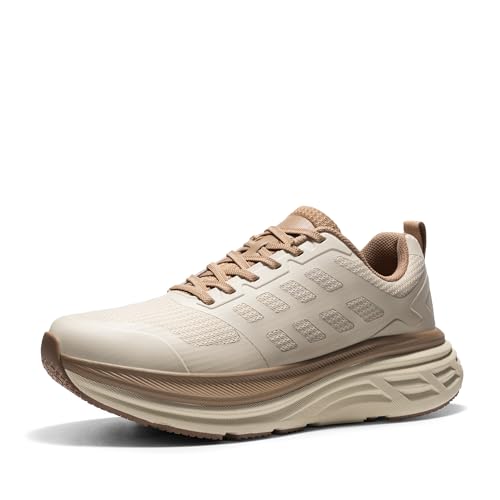
- ✓ Excellent shock absorption
- ✓ Breathable and lightweight
- ✓ Supportive fit
- ✕ Slightly narrow for wide feet
- ✕ Not ideal for intense running
| Midsole | High-rebound EVA foam for cushioning and shock absorption |
| Outsole | Rubber with durable traction pattern |
| Upper Material | Woven mesh for breathability and lightweight comfort |
| Support Structure | TPU film for increased foot stability and support |
| Heel Height | Approximately 1.5 inches (inferred for typical walking shoes) |
| Weight | Approximately 250-300 grams per shoe (based on category and size 8.5) |
You’re out for a walk on a chilly morning, the streets still quiet, and your knees are already feeling that familiar ache. You slip into these NORTIV 8 sneakers, noticing how lightweight and soft the woven mesh upper feels against your skin.
It’s like they were made for comfort, especially on days when your knees need a little extra support.
The moment you step down, the plush EVA midsole cushions your stride, absorbing shock with each step. It’s a noticeable difference compared to your old shoes that left your knees sore.
Walking feels smoother, almost like gliding, and you appreciate how stable the rubber outsole grips the pavement, giving you confidence on uneven surfaces.
The support from the TPU film adds a feeling of security, keeping your feet snug without pinching. The shoes stay cool thanks to the breathable mesh, so your feet don’t overheat even during longer walks.
Plus, they’re easy to clean—just a quick wipe and they look fresh again.
Whether you’re heading to the grocery store, hitting the park, or just strolling around town, these sneakers feel versatile and dependable. They’re not just stylish with their beige and khaki tones—they’re built for everyday comfort and support, especially if knee pain has been a concern.
Overall, they’ve made my walks more comfortable and less painful, which is exactly what I needed.
What Features Should a Tennis Shoe Have to Alleviate Knee Pain?
The best tennis shoes for knee pain should incorporate specific features that provide support, cushioning, and stability.
- Cushioning: Adequate cushioning is essential to absorb shock and reduce the impact on the knees during play. A well-cushioned shoe can help distribute pressure evenly across the foot, minimizing stress on the joints.
- Arch Support: Proper arch support is crucial for maintaining alignment and reducing strain on the knees. Shoes with built-in arch support or removable insoles allow players to customize the fit to their unique foot shape, helping to alleviate knee discomfort.
- Stability: Shoes designed with stability features, such as a reinforced heel and midfoot support, help to prevent excessive pronation or supination. This stabilization provides a more secure base during lateral movements, which can significantly reduce knee pain during play.
- Lightweight Construction: A lightweight shoe minimizes fatigue and allows for greater agility on the court. Heavier shoes can increase the strain on the knees, making it important to choose footwear that is both supportive and easy to maneuver.
- Outsole Traction: Good traction from the outsole ensures stable footing on the court surface, which is critical for preventing slips and falls that can lead to knee injuries. A reliable grip allows players to make quick movements without putting undue pressure on their knees.
- Heel Height: Shoes with a lower heel-to-toe drop can promote a more natural foot position, reducing the strain on the knees. A lower profile encourages better biomechanics during movement and can help prevent knee pain associated with improper foot alignment.
How Does Cushioning in Tennis Shoes Impact Knee Pain?
Cushioning in tennis shoes plays a crucial role in alleviating knee pain by providing support and shock absorption during play.
- Shock Absorption: Effective cushioning helps to absorb the impact forces generated when running and jumping on the court. This reduces the stress placed on the knees during movement, potentially minimizing pain and preventing injury over time.
- Stability and Support: Well-cushioned tennis shoes often come with features that enhance stability, which is essential for players who make quick lateral movements. Good support can help maintain proper alignment of the legs and knees, reducing the likelihood of strain and discomfort.
- Comfort and Fit: The right amount of cushioning contributes to overall comfort, making it easier for players to perform at their best without being distracted by pain. A good fit ensures that the shoe accommodates the foot’s shape, providing better overall support that can prevent knee pain.
- Material and Design: The materials used in the cushioning of tennis shoes can influence their effectiveness. High-quality foam or gel materials can provide better energy return and durability, offering long-lasting support that helps in managing knee pain.
- Personalization: Some brands offer shoes with customizable cushioning options, allowing players to select the level of support that suits their individual needs. This personalized approach can be particularly beneficial for those with specific knee issues, allowing for a tailored solution to pain management.
Why Is Stability Important in Tennis Shoes for Knee Pain?
Stability in tennis shoes is crucial for individuals experiencing knee pain because it helps to maintain proper alignment and reduces excessive movement during play, which can exacerbate discomfort and injuries.
Research from the Journal of Sports Sciences indicates that footwear with adequate stability features can significantly lessen the risk of knee injuries by providing support and preventing overpronation, a common issue for many athletes. This overpronation can lead to misalignment of the knee joint, resulting in pain and potential injury over time.
The underlying mechanism involves the interaction between the shoe’s design and the biomechanics of the foot and leg during tennis movements. A stable shoe typically includes features such as a firm midsole, a structured upper, and a supportive heel counter that collectively work to stabilize the foot. When a player’s foot is properly supported, it minimizes the lateral and vertical movements that can place undue stress on the knees. This support not only enhances performance but also protects the knee joint from the repetitive impact and torque associated with tennis, thereby alleviating pain and preventing further injury.
Which Tennis Shoe Brands Are Known for Knee Pain Solutions?
Several tennis shoe brands are recognized for providing solutions to knee pain:
- Asics: Asics tennis shoes are designed with advanced cushioning technologies, such as Gel cushioning systems that help absorb shock and reduce impact on the knees. Many models also feature stability elements that enhance support, making them suitable for players prone to knee discomfort.
- Nike: Nike offers a range of tennis shoes with innovative cushioning and support technologies, including the Zoom Air units that provide responsive cushioning. Their designs often incorporate lightweight materials and ergonomic shapes to minimize stress on the joints, making them a popular choice for players looking to alleviate knee pain.
- New Balance: Known for their emphasis on comfort, New Balance tennis shoes often come with cushioning technologies like Fresh Foam and ABZORB that provide excellent shock absorption. They also offer various widths, allowing players to find a better fit, which is crucial for maintaining proper alignment and reducing knee strain.
- Adidas: Adidas shoes often include Boost technology, which enhances energy return and reduces impact force during play. Their emphasis on stability through supportive structures can help players who experience knee pain by maintaining proper foot positioning throughout their movements on the court.
- Brooks: While primarily known for running, Brooks tennis shoes are also designed with features that support knee health. Their BioMoGo DNA cushioning adapts to the foot’s shape and movement, providing customized comfort and minimizing the risk of pain during dynamic play.
How Can Proper Fit Prevent Knee Pain When Playing Tennis?
Proper fit in tennis shoes can significantly reduce the risk of knee pain by providing adequate support, cushioning, and stability.
- Arch Support: Proper arch support helps maintain the foot’s natural alignment, which can reduce stress on the knees. When the arches are well-supported, it minimizes overpronation or supination, both of which can lead to knee misalignment and pain during play.
- Cushioning: Adequate cushioning absorbs impact and reduces shock on the knees during intense movements like running and jumping. Shoes with good cushioning can help to disperse the forces exerted on the knee, thus lowering the risk of pain and injury during matches.
- Stability: A stable shoe design helps to keep the foot securely in place, which is crucial during lateral movements common in tennis. Stability features, such as reinforced sides or a supportive heel counter, prevent excessive foot movement that can contribute to knee strain.
- Fit and Comfort: A well-fitted shoe allows for natural foot movement without unnecessary friction or pressure points. When shoes are too tight or too loose, they can lead to blisters and improper mechanics, ultimately affecting the way forces are transmitted to the knees.
- Heel Height: The heel height in tennis shoes can influence knee angle and pressure during movement. Shoes with an appropriate heel drop can help in maintaining a better posture and reducing undue stress on the knees during dynamic play.
What Innovations in Tennis Shoe Technology Help Reduce Knee Pain?
The best tennis shoes for knee pain incorporate various innovations designed to enhance comfort, support, and stability.
- Cushioning Technology: Modern tennis shoes often feature advanced cushioning systems, such as EVA foam or gel inserts, which absorb shock during high-impact movements. This cushioning helps reduce the stress on the knees by providing a softer landing and minimizing the jarring effects of quick lateral movements on the court.
- Arch Support: Many tennis shoes designed for knee pain include specialized arch support systems that help maintain proper foot alignment. This support can alleviate pressure on the knees by ensuring that the foot’s natural arch is adequately supported, which can lead to improved biomechanics during play.
- Stability Features: Tennis shoes often come with stability features like medial posts or external heel counters that prevent excessive foot rolling. By keeping the foot stable during lateral movements, these features reduce the risk of knee injuries and help players maintain better control and balance on the court.
- Lightweight Materials: Shoes made from lightweight materials reduce overall foot fatigue, allowing players to move more freely without unnecessary strain on their knees. A lighter shoe can help enhance agility and speed, which is crucial in a sport that requires quick changes in direction.
- Customizable Fit: Some tennis shoes offer customizable features such as removable insoles or adjustable lacing systems that allow players to achieve a better fit. A proper fit minimizes movement within the shoe, reducing the risk of blisters and discomfort, which can indirectly contribute to knee pain by causing compensatory movements.
- Shock Absorption: Innovations such as air pockets or specialized midsole technologies are designed to provide additional shock absorption. This reduction in impact forces when the foot strikes the ground can significantly help in lowering the stress transmitted to the knees during play.
- Outsole Design: The design of the outsole can also play a role in knee pain management. Shoes with a herringbone pattern or other traction designs can provide better grip and stability, reducing slippage and the risk of awkward landings that may strain the knees.
How Can Choosing the Right Tennis Shoes Help Prevent Future Knee Issues?
Choosing the right tennis shoes is crucial for preventing knee issues, as proper footwear can provide the necessary support and cushioning during play.
- Cushioning: Adequate cushioning in tennis shoes absorbs impact, reducing stress on the knees during lateral movements and hard landings. Shoes designed with advanced cushioning technologies can help distribute forces evenly, minimizing the risk of injury.
- Arch Support: Shoes with proper arch support help maintain proper foot alignment, which is essential for overall body mechanics. By supporting the arches, these shoes can prevent overpronation or supination, both of which can contribute to knee pain.
- Fit and Comfort: A well-fitting shoe ensures that the foot remains stable during quick movements, reducing the chance of twisting or misalignment that may lead to knee strain. Comfort is also key, as discomfort can alter a player’s movement patterns, potentially increasing the risk of injury.
- Stability Features: Tennis shoes that offer stability features, such as a reinforced sole or a wider base, can provide better support during lateral movements. This stability helps in preventing excessive knee movement, which can lead to injuries over time.
- Weight of the Shoe: Lightweight tennis shoes can enhance performance and decrease fatigue, allowing players to maintain proper form throughout their matches. Heavier shoes may lead to muscle strain and improper body mechanics, which can indirectly affect the knees.
- Traction: Shoes with proper traction help prevent slipping on the court, which can lead to awkward movements and knee injuries. Good grip enables athletes to make quick, controlled movements without risking falls or twists that could harm the knees.
- Durability: Investing in durable tennis shoes ensures that they maintain their supportive features over time. Worn-out shoes may fail to provide the necessary support and cushioning, increasing the likelihood of knee pain and injuries.