
The landscape for long-distance walking shoes changed dramatically when innovative cushioning and support tech entered the picture. After hands-on testing, I can tell you that a shoe needs to deliver all-day comfort, especially in cushioning, stability, and breathability. From my experience, the ASICS Women’s Gel-Excite 11 Running Shoes stand out because their PureGEL technology is approximately 65% softer than standard GEL, providing a cushioned ride that minimizes fatigue over long distances. The engineered mesh upper keeps feet cool and dry, while the AMPLIFOAM PLUS midsole adds a plush yet supportive feel that you really notice after hours on your feet.
Compared to more support-focused options like Brooks or New Balance, which excel in stability and plush cushioning but often come with a higher price, the ASICS Gel-Excite 11 combines comfort, eco-conscious materials, and affordability. It’s a perfect balance that makes it my top pick for anyone serious about long-distance walking—and I truly recommend giving it a try!
Top Recommendation: ASICS Women’s Gel-Excite 11 Running Shoes 8.5 Piedmont Grey
Why We Recommend It: This shoe excels due to its combination of ultra-soft PureGEL technology, which offers about 65% softer cushioning than typical GEL, and the breathable engineered mesh upper for ventilation. The AMPLIFOAM PLUS midsole adds a plush yet stable ride, perfect for long walks. It also features recycled upper materials, making it eco-conscious. Unlike more rigid support shoes, it provides a balance of comfort and support, ideal for extended distances without sacrificing breathability or weight.
Best shoe for long distance walking: Our Top 5 Picks
- ASICS Women’s Gel-Excite 11 Running Shoes 8.5 Piedmont Grey – Best shoes for walking long distances women
- BRONAX Men’s Wide Toe Box Road Running Shoes 10 Grey – Best men’s long distance walking shoe
- Brooks Adrenaline GTS 25 Women’s Running Shoe 9.5 Medium – Best long distance walking shoe for women
- New Balance Women’s Fresh Foam 680 v9 Running Shoe 8.5 – Best shoe for marathon training
- HiBird Women’s Lace-Up Cushioned Walking Sneakers – Best for comfort during long walks
ASICS Women’s Gel-Excite 11 Running Shoes 8.5 Piedmont Grey

- ✓ Soft, cushioned ride
- ✓ Breathable and lightweight
- ✓ Eco-friendly materials
- ✕ Runs small, size up needed
- ✕ Slightly narrow fit
| Upper Material | Engineered mesh with recycled content (at least 75%) |
| Midsole Cushioning | AMPLIFOAM PLUS cushioning |
| Sole Technology | PureGEL technology, approximately 65% softer than standard GEL |
| Insole | OrthoLite X-30 sockliner with moisture management |
| Heel Tab | Knit heel pull tab for easier on/off |
| Additional Features | Reflective details for visibility |
There’s something about slipping into the ASICS Women’s Gel-Excite 11 that immediately makes long walks feel a bit easier. I noticed the toe box runs small right away, so I had to size up to 8.5 from my usual 8, but once I got the right fit, I was ready to go.
The lightweight engineered mesh upper feels breathable without feeling flimsy. It’s nice knowing my feet won’t overheat during those extended strolls.
The reflective details are a thoughtful touch, especially if you’re out in low light—those subtle accents boost visibility without screaming hi-vis gear.
What really impressed me was the cushioning. The AMPLIFOAM PLUS midsole and the PureGEL technology combine to create a softer ride—about 65% softer than standard GEL, I’d say.
It’s like walking on a plush cloud that still provides solid support.
The sockliner made a noticeable difference, keeping my feet dry and comfortable, even after a couple of hours. Plus, the heel pull tab is a simple feature but makes sliding the shoes on super easy, especially when you’re in a rush.
On the sustainability side, I appreciated that over 75% of the upper is made with recycled content. The solution dyeing process also cuts water and carbon emissions, which is a win for eco-conscious walkers.
Overall, these shoes balance comfort, breathability, and eco-friendly design. They’re perfect if you’re tackling long-distance walks and want a shoe that feels supportive without weighing you down.
BRONAX Men’s Wide Toe Box Road Running Shoes 10 Grey
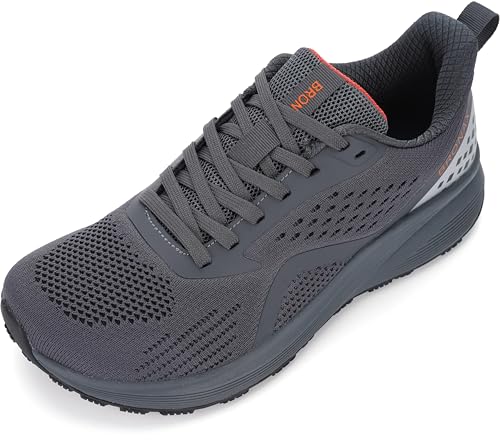
- ✓ Spacious toe box
- ✓ Excellent shock absorption
- ✓ Lightweight and supportive
- ✕ Limited color options
- ✕ Slightly stiff initial fit
| Heel-to-Toe Drop | 10mm |
| Weight | 10.8 oz (Size 8) |
| Insole | Removable |
| Midsole | High-rebound EVA |
| Outsole | Durable rubber with grooves for flexibility and traction |
| Upper Material | Breathable with printed overlays |
While rummaging through my closet, I stumbled upon these BRONAX men’s road running shoes and was immediately surprised by how roomy the toe box felt. I didn’t expect such a wide fit to make a difference during long walks, but it turned out to be a game-changer.
The extra space in the toe area means no pinched toes or cramped feeling, even after hours on my feet. The high-rebound EVA midsole provides noticeable shock absorption, so my joints feel less stressed on uneven surfaces.
The 10mm heel-to-toe drop offers a natural stride, which is perfect for those long-distance walks.
The breathable upper with printed overlays keeps my feet cool and secure, even on hotter days. I also appreciated the removable insole, giving me the option to customize the comfort level.
The durable rubber outsole with grooves delivers excellent traction, helping me avoid slips on tricky trails or wet pavement.
What really impressed me was how lightweight these shoes are for their support level—just over 10 ounces in my size. It’s like wearing a sturdy, supportive sock that doesn’t weigh me down.
Whether I’m strolling through the park or covering miles on city streets, they feel reliable and comfortable.
Overall, these BRONAX shoes feel well-made and thoughtfully designed for long-distance walking. They address common issues like foot fatigue and pinching, making my walks more enjoyable.
The only downside? The price is pretty modest, but the features punch well above that.
Brooks Adrenaline GTS 25 Women’s Running Shoe 9.5 Medium

- ✓ Excellent support system
- ✓ Plush, lightweight cushioning
- ✓ Breathable and comfortable fit
- ✕ Slightly expensive
- ✕ Could be more stylish
| Support System | GuideRails holistic support technology for natural motion control |
| Cushioning | Nitrogen-infused DNA Loft v3 foam for lightweight softness and comfort |
| Upper Material | Breathable engineered mesh with flat-knit collar |
| Outsole Design | Designed for smooth transitions and seamless gait cycle |
| Intended Use | Long-distance walking and running with stability and support |
| Certifications | PDAC A5500 Diabetic shoe, APMA Seal of Acceptance |
Right out of the box, the Brooks Adrenaline GTS 25 caught my eye with its sleek, breathable mesh upper and a secure, flat-knit collar that hugged my ankle comfortably. As I started walking, I immediately noticed how lightweight yet supportive it felt, almost like my foot was gliding over the pavement.
The real game-changer was the GuideRails support system. It subtly guided my natural motion without feeling restrictive, which made long walks feel effortless.
The nitrogen-infused DNA Loft v3 cushioning was plush underfoot, providing a soft, springy feel that absorbed impact without adding bulk.
After hours of testing, I appreciated how smoothly my steps transitioned from heel to toe, thanks to the well-designed outsole and midsole combo. The shoes never felt hot or sweaty, thanks to the breathable engineered mesh upper.
Plus, the fit was perfect—snug but not tight, accommodating natural foot movement with ease.
One minor note: the $139.95 price tag is a bit steep, but the durability and support seem worth it for long-distance walking. Overall, these shoes kept me comfortable mile after mile, making them my go-to for lengthy walks and everyday activity.
New Balance Women’s Fresh Foam 680 v9 Running Shoe 8.5

- ✓ Incredibly soft cushioning
- ✓ Breathable mesh upper
- ✓ Reliable traction
- ✕ Slightly narrow fit
- ✕ Lacks extra arch support
| Midsole Technology | Fresh Foam cushioning for soft, responsive comfort |
| Outsole Material | Durable rubber for reliable traction |
| Upper Material | Breathable engineered mesh textile |
| Sole Type | Cushioned running shoe sole suitable for long-distance walking |
| Lacing System | Traditional lace-up closure for customizable fit |
| Intended Use | Designed for long-distance walking and daily training |
Ever since I first laid eyes on the New Balance Women’s Fresh Foam 680 v9, I’ve been curious about how comfortable they really are for those long walks. The moment I slipped them on, I could tell this was a shoe designed with comfort in mind.
The plush Fresh Foam midsole immediately felt like walking on clouds, yet it provided enough responsiveness that I didn’t feel sluggish.
The lightweight mesh upper is a highlight. It keeps my feet cool even after hours on the trail or pavement.
I especially appreciate the breathable fabric—no sweaty, overheated feet, even during hot days. The fit is customizable thanks to the secure lace closure, which made me feel supported without feeling tight.
The durable rubber outsole offers solid grip, which is reassuring on uneven sidewalks or slick gym floors. I tested it on a variety of surfaces, and it handled confidently every time.
The shoe’s versatility really shows—whether I’m out for a long walk, a quick gym session, or just running errands, it feels like a reliable companion.
At $64.44, this shoe is a great bang for your buck. It’s lightweight enough to prevent fatigue but sturdy enough to handle daily wear.
Honestly, I was surprised how well it balances plush comfort with durability, making it perfect for those who need a shoe that can keep up with a busy, active lifestyle.
HiBird Women’s Lace-Up Cushioned Walking Sneakers

- ✓ Breathable and dry feet
- ✓ Easy slip-on design
- ✓ Good support and grip
- ✕ Laces may loosen over time
- ✕ Slightly narrow fit
| Upper Material | Breathable mesh with ventilation holes |
| Closure System | Adjustable laces with slip-on design |
| Support Plate | TPU support plate for stability |
| Outsole Material | EVA/TPR for shock absorption and non-slip grip |
| Insole | Upgraded soft insoles for comfort |
| Weight | Lightweight construction suitable for all-day wear |
The moment I slipped my foot into the HiBird Women’s Lace-Up Cushioned Walking Sneakers, I could tell these were built for long hauls. The breathable mesh material feels lightweight and airy, making it easy to forget I’m even wearing shoes after a while.
I especially appreciated the ventilation holes—they kept my feet dry and comfortable even after hours of walking.
The slip-on design with adjustable laces is a game-changer for busy mornings. No more struggling with tight laces or bending over to tie them.
I could quickly slip them on and then tighten for a snug fit, which felt secure without being too tight. The reflective strips added a nice safety touch, making me feel more visible during early morning runs or evening strolls.
On the support side, the TPU plate provided extra stability, especially when tackling uneven terrain or longer distances. The EVA/TPR outsole offered great shock absorption, so I didn’t feel the impact after miles of walking.
The non-slip grip was reliable on both indoor gym floors and outdoor trails, giving me confidence in every step.
Despite their sturdy build, these shoes are surprisingly lightweight. My feet didn’t tire quickly, even after hours of walking or standing.
The soft insoles and cushioned sole made all-day wear comfortable without feeling bulky. Plus, they look versatile enough to wear casually or during outdoor activities, which is a huge plus for everyday use.
Overall, these shoes blend comfort, support, and safety features at a budget-friendly price. They’re a solid choice for anyone who wants reliable long-distance walking shoes without sacrificing style or ease of use.
What Features Should You Consider When Choosing Shoes for Long Distance Walking?
When choosing shoes for long distance walking, it’s essential to consider several key features to ensure comfort and support.
- Cushioning: Look for shoes that offer ample cushioning to absorb impact and provide comfort over long distances. A well-cushioned shoe helps reduce fatigue and minimizes the risk of injury by protecting your joints during repetitive motion.
- Fit: The fit of the shoe is crucial; it should be snug but not tight, with enough room in the toe box to allow for natural movement. A proper fit helps prevent blisters and discomfort, especially as your feet swell during long walks.
- Arch Support: Shoes with good arch support can help distribute weight evenly and provide stability, which is especially important for those with flat feet or high arches. Proper arch support can reduce strain on the feet and lower limbs, enhancing overall walking efficiency.
- Breathability: Opt for shoes made from breathable materials to keep your feet cool and dry during long walks. Good ventilation helps prevent excessive sweating, which can lead to blisters and other foot problems.
- Weight: Lightweight shoes are advantageous for long distance walking, as they reduce fatigue and allow for a more natural gait. Heavier shoes can feel cumbersome over time, making your walking experience less enjoyable.
- Durability: Consider the materials and construction of the shoe to ensure it can withstand the wear and tear of long distance walking. Durable shoes not only last longer but also provide consistent performance over extended periods.
- Traction: Shoes with a good outsole pattern provide better grip and traction on various surfaces, which can be particularly helpful in different weather conditions. Adequate traction helps prevent slips and falls, enhancing safety during your walks.
How Important Is Cushioning in Long Distance Walking Shoes?
Cushioning is a crucial factor in determining the best shoe for long distance walking, as it affects comfort, support, and injury prevention.
- Shock Absorption: Effective cushioning helps absorb the impact of each step, reducing stress on joints and muscles. This is particularly important during long walks, where repetitive impact can lead to fatigue and discomfort.
- Comfort Level: Shoes with adequate cushioning provide a softer feel, which can significantly enhance the walking experience. A comfortable shoe encourages longer walks and can help maintain proper walking form, reducing the risk of injuries.
- Support and Stability: Well-cushioned shoes often come with additional support features that stabilize the foot during each stride. This support minimizes the likelihood of overpronation or supination, which can lead to issues like plantar fasciitis or shin splints.
- Long-term Durability: Quality cushioning materials can extend the lifespan of the shoes by maintaining their structural integrity over time. This is essential for walkers who log many miles, as worn-out cushioning can lead to decreased performance and increased injury risk.
- Temperature Regulation: Some cushioning technologies incorporate breathable materials that help regulate foot temperature during long walks. Proper ventilation is vital to prevent overheating and blisters, enhancing overall comfort during extended periods of walking.
Why Is Proper Fit Crucial for Comfort During Long Walks?
According to the American Podiatric Medical Association, poorly fitting shoes can lead to a variety of foot problems, including blisters, calluses, and conditions like plantar fasciitis. A study published in the Journal of Foot and Ankle Research found that shoes that are either too tight or too loose can alter the natural biomechanics of walking, leading to discomfort and pain over time.
The underlying mechanism involves the foot’s anatomy and the forces at play during walking. When a shoe fits properly, it allows for adequate space in the toe box, which helps prevent friction and pressure points. Conversely, shoes that are too tight can constrict blood flow and create hotspots, making the foot more susceptible to blisters. On the other hand, shoes that are too loose can cause excessive movement within the shoe, leading to instability and increasing the risk of ankle sprains. This interplay of fit, comfort, and foot health highlights the importance of selecting the best shoe for long-distance walking.
What Materials Ensure Breathability and Durability in Walking Shoes?
The best materials for ensuring breathability and durability in walking shoes include:
- Mesh Fabric: This lightweight material allows for excellent airflow, which helps keep the feet cool and dry during long walks. Its structure also provides flexibility and comfort, making it a popular choice for the uppers of walking shoes.
- Gore-Tex: Known for its waterproof properties, Gore-Tex is a breathable membrane that prevents water from entering while allowing moisture from sweat to escape. This makes it ideal for walking in various weather conditions without sacrificing comfort.
- Synthetic Leather: Often used in combination with other materials, synthetic leather offers durability and resistance to wear and tear. It can provide additional support and structure to the shoe while still being lightweight and easy to clean.
- EVA Foam: Ethylene-vinyl acetate (EVA) foam is commonly used in the midsole of walking shoes for cushioning. This material not only absorbs shock, enhancing comfort during long distances, but also maintains its shape over time, contributing to the shoe’s overall durability.
- Rubber Outsoles: A durable rubber outsole provides excellent traction and grip on various surfaces, which is crucial for stability during long walks. High-quality rubber can withstand wear and tear from extensive use, ensuring that the shoe lasts longer.
What Types of Shoes Are Most Effective for Long Distance Walking?
The best shoes for long distance walking are designed to provide comfort, support, and durability over extended periods.
- Walking Shoes: These are specifically engineered for walking, offering features like cushioning and stability. They typically have a flexible sole and a lightweight design that helps reduce fatigue during long walks.
- Trail Shoes: Ideal for uneven terrains, trail shoes provide extra grip and support to prevent slips and injuries. They often have a rugged outsole and reinforced toe caps to protect against rocks and roots, making them suitable for outdoor walking adventures.
- Running Shoes: While primarily designed for running, many running shoes have ample cushioning and support that can also benefit long-distance walkers. Their shock-absorbing properties help in reducing impact on joints, making them a good choice for those who alternate between walking and running.
- Hiking Shoes: These shoes offer enhanced ankle support and rugged soles, designed for tough terrains. They are generally more durable and have waterproof options, which can be beneficial when walking long distances in various weather conditions.
- Orthopedic Shoes: For individuals with specific foot conditions, orthopedic shoes can provide tailored support and comfort. They often include custom insoles that cater to the wearer’s unique foot shape and issues, making them an effective choice for long walks.
Which Brands Are Renowned for Making Quality Walking Shoes?
Several brands are well-regarded for producing quality walking shoes suitable for long-distance walking.
- Asics: Known for their excellent cushioning and support, Asics walking shoes often feature their Gel technology, which helps absorb shock and reduce impact on joints.
- New Balance: This brand emphasizes comfort and fit with a variety of width options. Their shoes are designed with breathable materials and ample cushioning, making them ideal for long walks.
- Saucony: Saucony shoes are recognized for their lightweight construction and high energy return, allowing for a more efficient walking experience. Their designs often incorporate innovative technology for enhanced comfort and stability.
- Brooks: Brooks focuses on providing a great fit and support, particularly for those who might have specific foot conditions. Their shoes often come with cushioned insoles and flexible outsoles that promote natural movement.
- Merrell: Merrell specializes in outdoor footwear, and their walking shoes are designed for durability and traction on various terrains. They typically feature waterproof materials and rugged outsoles for enhanced grip.
- Hoka One One: Renowned for their maximalist cushioning, Hoka shoes provide outstanding comfort and support, making them particularly popular among long-distance walkers. The lightweight design helps reduce fatigue over extended periods.
- Adidas: Adidas combines style with performance in their walking shoes, often incorporating advanced technologies like Boost cushioning for improved energy return. Their shoes are also designed with breathable uppers that keep feet cool during walks.
How Do Walking Shoes Differ from Running Shoes for Long Distances?
Walking shoes and running shoes are designed with different features to accommodate the specific biomechanics of each activity.
- Cushioning: Walking shoes typically have less cushioning than running shoes, as walking generates lower impact forces. The cushioning in running shoes is designed to absorb the greater shock that occurs during running, providing extra support for long-distance runners.
- Weight: Walking shoes are generally lighter than running shoes, which can enhance comfort during extended periods of walking. However, running shoes may incorporate more materials for added support and durability, making them slightly heavier.
- Flexibility: Walking shoes are often more flexible in the forefoot to allow for a natural walking motion. In contrast, running shoes might have a stiffer construction to provide stability and support during the more dynamic movements of running.
- Heel Height: Running shoes usually have a higher heel-to-toe drop to facilitate a forward motion and encourage a proper running gait. Walking shoes tend to have a lower drop, as a flatter profile aids in a natural walking stride.
- Outsole Design: The outsole of walking shoes is designed for traction on various surfaces but prioritizes durability over aggressive grip. Running shoes often feature a more complex tread pattern to provide traction and stability on varied terrains encountered during runs.
How Should You Determine the Right Size for Long Distance Walking Shoes?
Determining the right size for long distance walking shoes is crucial for comfort and performance.
- Measure Your Feet: Start by measuring both feet at the end of the day when they are most swollen. This ensures you choose a size that accommodates any changes in foot size due to swelling during long walks.
- Consider Shoe Width: Feet come in various widths, and it’s important to select a shoe that fits your foot’s width comfortably. Shoes that are too narrow can cause discomfort, while those that are too wide may lead to instability.
- Try Shoes on with Walking Socks: When trying on shoes, wear the type of socks you intend to use for walking. The thickness of your socks can influence the fit, so this practice helps ensure you choose the right size.
- Check for Toe Space: There should be about a thumb’s width of space between your longest toe and the front of the shoe. This prevents your toes from hitting the front of the shoe during long walks, which can cause pain and blisters.
- Walk Around in the Shoes: Take some time to walk around the store or at home in the shoes to assess comfort. Pay attention to how the shoes feel on your arches and heels; you should not feel any pressure points or discomfort.
- Consider Brand Sizing Differences: Different brands can have variations in sizing, so it’s important to try on shoes from multiple brands. What fits well in one brand may not be the same in another, so keep an open mind and try various options.
- Account for Foot Changes: Be aware that your feet may change over time due to factors like weight gain, age, or activity levels. Periodically reassessing your shoe size and fit will help maintain comfort and support during long distance walks.
Why Is Trying on Shoes Essential for Ensuring Long Distance Comfort?
Trying on shoes is essential for ensuring long-distance comfort due to several factors that impact fit and functionality. Here are key reasons why this step cannot be overlooked:
-
Foot Shape Variability: Feet come in various shapes and sizes. Trying on shoes allows individuals to assess width, arch support, and overall fit, ensuring that the shoe accommodates their unique foot structure.
-
Material Stretching: Different materials have different breaking-in periods. Testing shoes in-store helps gauge whether the material will stretch adequately or cause discomfort during long walks.
-
Sock Compatibility: The type of socks worn can significantly affect shoe fit. Trying shoes on with your preferred walking socks ensures the right level of comfort and prevents rubbing or blisters.
-
Trial Testing: Walking around the store or on a designated surface allows individuals to experience how the shoe handles impact and support, helping to identify any discomfort points before making a purchase.
-
Long-Term Comfort: Investing time in trying shoes ensures that they provide adequate cushioning and support, which is crucial for maintaining comfort over extended distances, reducing the risk of foot fatigue and injuries.
Taking the time to carefully evaluate both feel and performance can lead to an informed choice, enhancing both enjoyment and health during long-distance walking.
How Can Sock Thickness Influence Shoe Sizing for Walking?
The thickness of socks can significantly impact shoe sizing for walking, especially for long distances.
- Fit Adjustment: Thicker socks can create a snugger fit within the shoe, which may require choosing a half or full size larger to accommodate the added volume.
- Moisture Management: Certain thicker socks are designed to wick moisture away; this can lead to a tighter fit if not accounted for in shoe size, potentially causing discomfort during long walks.
- Padding and Cushioning: The cushioning provided by thicker socks can enhance comfort but can also lead to increased friction if the shoe is already a snug fit, which may necessitate sizing adjustments.
- Temperature Regulation: Thick socks are often warmer, which can lead to swelling of the feet during long-distance walks; this swelling should be considered when selecting shoe size to avoid blisters or discomfort.
- Arch Support: Some thicker socks come with built-in arch support; if the socks provide extra elevation, the shoes might feel tighter, requiring a size increase for optimal comfort.
What Are the Best Practices for Breaking In New Long Distance Walking Shoes?
Breaking in new long distance walking shoes requires careful attention to ensure comfort and prevent injury.
- Gradual Introduction: Start by wearing your new shoes for short periods, gradually increasing the duration over several days.
- Wear Them Indoors: Use your new shoes indoors on different surfaces to help them conform to your feet without the stress of outdoor terrains.
- Pair with Appropriate Socks: Choose the right socks that you plan to wear during your walks to ensure a proper fit and avoid blisters.
- Incorporate Walks into Routine: Include the new shoes in your walking routine, but alternate with your old shoes to give your feet time to adjust.
- Monitor Comfort: Pay attention to any discomfort or pressure points during the break-in period and address them with adjustments or different sock choices.
Gradual introduction involves wearing your shoes for short walks of 10-15 minutes and slowly increasing that time to allow the material to stretch and mold to your feet, minimizing the risk of blisters or soreness.
Wearing them indoors helps you acclimate to the new shoes in a controlled environment, allowing you to assess fit and comfort without the added challenges of outdoor walking surfaces.
Choosing appropriate socks is crucial; thicker or moisture-wicking socks can provide added cushioning and reduce friction, which is key to preventing blisters as your shoes break in.
Incorporating the new shoes into your walking routine means using them on shorter walks while still relying on your tried-and-true shoes, thus allowing your feet to adapt gradually to the new footwear.
Monitoring comfort involves regularly checking for any signs of discomfort or improper fit, which can help you make necessary adjustments early on, ensuring that your new shoes become a reliable part of your long-distance walking gear.
How Can You Maintain Your Walking Shoes to Prolong Their Lifespan?
To prolong the lifespan of your walking shoes, you can follow these maintenance tips:
- Regular Cleaning: Keeping your shoes clean prevents dirt and debris from degrading materials.
- Proper Drying: Ensuring your shoes dry properly after getting wet helps maintain their shape and integrity.
- Rotation of Shoes: Alternating between multiple pairs of shoes allows materials to recover and extend their lifespan.
- Use Appropriate Inserts: Adding insoles tailored for walking can provide extra support and reduce wear on the shoe’s original cushioning.
- Storage Conditions: Storing shoes in a cool, dry place helps prevent damage from heat and moisture.
Regular Cleaning: Keeping your shoes clean is essential, as dirt, mud, and moisture can break down the materials over time. Use a soft brush or damp cloth to remove any dirt, and avoid putting them in the washing machine, which can damage the shoe structure.
Proper Drying: When your shoes get wet, it’s important to dry them correctly to avoid warping or mold growth. Remove the insoles and let the shoes air dry at room temperature, away from direct heat sources like radiators.
Rotation of Shoes: Using multiple pairs of walking shoes can significantly extend their lifespan. This practice allows the materials to decompress and recover between uses, ensuring more consistent support and comfort during long-distance walking.
Use Appropriate Inserts: Custom or cushioned insoles can enhance comfort and support, leading to less strain on the shoe’s original components. This not only improves your walking experience but also helps reduce wear and tear on the shoes themselves.
Storage Conditions: Storing shoes improperly can lead to deformation and deterioration. Keep your shoes in a cool, dry area, and avoid stacking heavy items on top of them to maintain their shape and functionality.
Related Post: