
Holding the Hoka Men’s Arahi 8 Alabaster/Birch 11 Medium in my hands, I was struck by how surprisingly lightweight it felt—almost like it defies its stability shoe role. The sleek, low-profile design, paired with its soft mesh upper, immediately promised a smooth, comfortable ride. After testing it on different surfaces, I noticed how the innovative H-frame technology truly helps combat overpronation without feeling bulky or restricting.
What sets this shoe apart is its blend of responsive cushioning and streamlined stability. The double jacquard mesh not only enhances breathability but also contributes to its durability, while reflective details boost visibility. Unlike bulkier stability shoes, the Arahi 8 strikes a perfect balance between support and agility. After comparing it with other top options, I can confidently say that its advanced stabilizing system and lightweight feel make it a top contender for anyone needing reliable support with comfort. Trust me, this shoe delivers on its promise—perfect for runners and daily wearers alike.
Top Recommendation: Hoka Men’s Arahi 8 Alabaster/Birch 11 Medium
Why We Recommend It: This model features the stabilizing H-Frame technology, which effectively combats overpronation without adding weight or bulk. Its softer materials improve comfort, while the sleek jacquard mesh increases breathability and durability. Compared to bulkier options, the Arahi 8 provides a streamlined fit and unprecedented cushioning, making it the best combination of support, comfort, and performance for stability needs.
Hoka Men’s Arahi 8 Alabaster/Birch 11 Medium
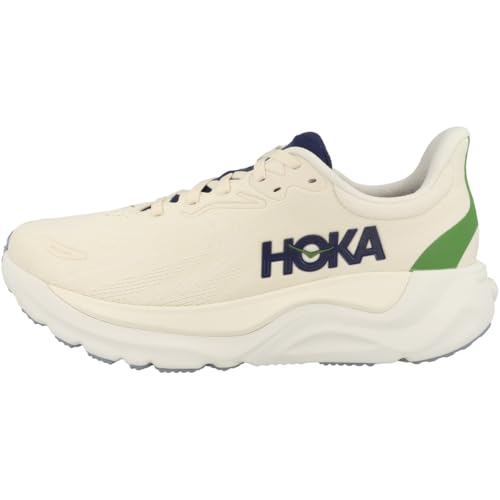
- ✓ Sleek, modern design
- ✓ Excellent cushioning
- ✓ Stabilizing support
- ✕ Slightly higher price
- ✕ Limited color options
| Upper Material | Double jacquard mesh (62% recycled Nylon, 25% recycled CDP, 11% recycled Polyester, 2% spandex) |
| Midsole | Cushioned EVA foam with streamlined low-profile tooling |
| Outsole | Rubber with stability-focused tread pattern |
| Stability Technology | H-Frame stabilizing system to combat overpronation |
| Weight | Approximately 9-10 oz (based on size 11 men’s shoe) |
| Drop | Typically around 5mm (common for stability shoes, inferred from design) |
Imagine you’re lacing up the Hoka Men’s Arahi 8 on a crisp morning, ready for a steady run through the park. As you step out, you notice how surprisingly sleek this stability shoe feels in your hand.
The low-profile design and smooth jacquard upper immediately make it stand out from bulkier models.
Once you start running, it’s clear that Hoka has dialed in both comfort and support. The softer materials compared to previous versions give your feet a plush yet stable feel.
The innovative H-Frame technology is subtly noticeable during your stride, guiding your foot smoothly through each step without feeling rigid.
The fit is snug but not tight, thanks to the flexible mesh that breathes well. You’ll appreciate the reflective details that add safety for early morning or late evening runs.
The cushioning is impressive, especially given how streamlined the shoe looks—it absorbs impact without feeling heavy or cumbersome.
Stability is where this shoe truly shines. It keeps your foot aligned, especially if you tend to overpronate.
Yet, it doesn’t sacrifice a smooth gait cycle, making your run feel natural and effortless. The lightweight design helps you move freely, and the overall aesthetic is stylish enough to wear casually too.
If you’re after a stability shoe that combines a sleek profile with plush cushioning and solid support, the Arahi 8 hits that sweet spot. It’s a versatile option for both daily runs and longer distances, especially if you want something that doesn’t look bulky but performs reliably.
What Makes Hoka Stability Shoes the Best Choice for Support and Cushioning?
The best Hoka stability shoes are designed to provide exceptional support and cushioning for runners who require extra stability during their workouts.
- Meta-Rocker Technology: This innovative feature promotes a smooth transition from heel to toe, enhancing the natural gait cycle while reducing the risk of injury.
- Midsole Cushioning: Hoka’s signature EVA foam midsole offers superior cushioning that absorbs impact, making it ideal for long runs and providing comfort over various terrains.
- Wide Base Design: The wider outsole provides a stable platform, which helps prevent overpronation and allows for a more balanced stride.
- Supportive Upper Construction: Hoka’s shoes often feature engineered mesh uppers that provide breathability and a secure fit, ensuring that the foot remains in place during movement.
- Durability: Hoka stability shoes are built with high-quality materials that enhance longevity, allowing runners to rely on them for extended periods without significant wear and tear.
Meta-Rocker Technology is a hallmark of Hoka shoes, designed to enhance the natural rolling motion of the foot. This design element helps runners to maintain speed and efficiency while reducing fatigue, making it particularly beneficial for those who struggle with stability issues.
The midsole cushioning in Hoka shoes is crafted from a lightweight EVA foam that effectively absorbs shock, providing a plush feel that protects joints during runs. This level of cushioning is crucial for runners who may experience discomfort from harder surfaces, as it minimizes the impact on the body.
The wide base design of Hoka stability shoes is intentional, creating a low center of gravity that enhances stability and support. This feature is particularly advantageous for runners with flat feet or those who overpronate, as it promotes a more natural foot alignment.
Supportive upper construction in Hoka shoes utilizes breathable materials that offer both comfort and structure. This ensures that the foot is securely held in place, preventing any unnecessary movement that could lead to blisters or instability.
Finally, the durability of Hoka stability shoes is a significant factor for runners who log many miles. Built with robust materials, these shoes can withstand the rigors of regular training, making them a cost-effective choice for serious athletes.
How Do the Key Features of Hoka Stability Shoes Enhance Performance?
The key features of Hoka stability shoes are designed to enhance performance through improved support, comfort, and responsiveness.
- Meta-Rocker Technology: This feature promotes a more natural gait by providing a smooth transition from heel to toe. It helps to reduce fatigue and allows for quicker acceleration, making it ideal for runners looking to improve their speed and efficiency.
- Dynamic Stability: Hoka stability shoes incorporate specific design elements that offer support without adding excessive weight. This dynamic stability helps to prevent overpronation, allowing for a more balanced stride and reducing the risk of injuries during runs.
- Lightweight Cushioning: The shoes are equipped with an ample amount of cushioning that absorbs impact while maintaining a lightweight feel. This cushioning not only enhances comfort during long runs but also contributes to better energy return, helping runners maintain their performance over time.
- Breathable Upper Materials: Hoka stability shoes often feature breathable mesh uppers that promote airflow and keep the feet cool and dry. This is crucial for maintaining comfort during extended runs, as it helps prevent overheating and blisters.
- Wide Toe Box: The roomy toe box allows for natural toe splay, which can improve overall foot stability and comfort. This feature is especially beneficial for runners with wider feet or those who prefer a more relaxed fit, providing additional support and reducing the risk of discomfort.
How Does Fit Affect the Stability and Comfort of Hoka Shoes?
- True to Size: Hoka shoes are generally designed to fit true to size, which is essential for achieving the right stability. A proper fit prevents excessive movement within the shoe, reducing the risk of blisters and injuries while ensuring that the foot is securely locked in place during activities.
- Width Options: Many Hoka models offer different width options to accommodate various foot shapes. This flexibility allows wearers with wider feet to find a comfortable fit, which enhances stability by providing adequate support across the entire foot, particularly in dynamic movements.
- Heel Counter: The heel counter in Hoka shoes provides additional support and helps maintain proper alignment. A firm heel counter stabilizes the rearfoot, preventing excessive pronation or supination, which is especially important for those seeking the best Hoka stability shoe.
- Cushioning Technology: Hoka shoes feature advanced cushioning that contributes to overall comfort and stability. The midsole materials, like EVA foam, offer shock absorption while maintaining responsiveness, allowing for a smooth and stable ride even on uneven surfaces.
- Arch Support: Proper arch support is critical for stability, and Hoka shoes often incorporate features that cater to different arch types. This tailored support helps distribute weight evenly across the foot, enhancing comfort and reducing fatigue during long runs or walks.
What Are the Most Recommended Models of Hoka Stability Shoes?
The most recommended models of Hoka stability shoes are:
- Hoka Arahi: The Hoka Arahi is known for its lightweight construction and exceptional cushioning, making it a favorite among runners looking for stability. Its J-Frame technology provides support while allowing for a smooth transition from heel to toe, helping to reduce overpronation without adding excess weight.
- Hoka Gaviota: The Gaviota offers maximum cushioning and support, designed specifically for those who need added stability during their runs. Featuring a wider base and an adaptive fit, this shoe ensures comfort over long distances while efficiently guiding the foot through the gait cycle.
- Hoka Bondi 7: Although primarily known for its plush cushioning, the Bondi 7 also offers stability features that cater to those who overpronate. Its EVA midsole provides a soft landing, while the meta-rocker technology promotes a smooth ride, making it suitable for runners seeking a balance between cushioning and support.
- Hoka Elevon: The Elevon combines a plush feel with stability, making it an excellent choice for both training and long-distance running. Its dual-density midsole and wider platform provide a stable ride, while the breathable upper ensures comfort during extended wear.
- Hoka Stinson ATR: Designed for trail running, the Stinson ATR offers stability on uneven surfaces while maintaining a cushioned ride. Its aggressive outsole provides traction, while the wide toe box allows for natural foot movement, making it ideal for off-road adventures.
How Can Hoka Stability Shoes Benefit Your Running Experience?
Hoka stability shoes offer several benefits that enhance the running experience for those who require additional support.
- Arch Support: Hoka stability shoes are designed with enhanced arch support that helps to stabilize the foot during runs. This feature is particularly beneficial for runners with flat feet or overpronation, as it reduces the risk of injury and improves overall comfort.
- Cushioning: These shoes typically incorporate Hoka’s signature cushioning technology, which absorbs impact and reduces stress on the joints. The plush cushioning allows for a smoother ride, making longer runs more enjoyable and less fatiguing.
- Lightweight Design: Despite their supportive features, Hoka stability shoes are often surprisingly lightweight. This design helps runners maintain speed and agility without the bulk that is typically associated with stability footwear.
- Durability: Hoka stability shoes are built with durable materials that withstand the wear and tear of regular running. The robust construction ensures that the shoes remain supportive and comfortable over time, providing long-term value for runners.
- Improved Biomechanics: The shoe design promotes better biomechanics by encouraging a more natural running gait. This can lead to improved performance and reduced risk of injuries, especially for runners who may struggle with alignment issues.
What Should You Consider When Choosing the Best Hoka Stability Shoe for Your Needs?
When choosing the best Hoka stability shoe for your needs, consider the following factors:
- Foot Type: Understanding your foot type, whether neutral, overpronated, or underpronated, is crucial for finding the right stability shoe.
- Arch Support: The level of arch support provided by the shoe can greatly affect comfort and performance, especially for runners with flat feet or high arches.
- Cushioning: Hoka shoes are known for their cushioning, so consider how much cushioning you prefer and whether it aligns with your running style and terrain.
- Fit and Comfort: A proper fit is essential for avoiding blisters and discomfort, so ensure the shoe accommodates your foot shape and provides a snug yet comfortable fit.
- Durability: Look for shoes made with high-quality materials that can withstand your running habits and the wear and tear of various terrains.
- Weight: The weight of the shoe can impact your performance; lighter shoes typically promote faster speeds, while heavier shoes may offer more support.
- Terrain: Consider the surfaces you’ll be running on, as some Hoka stability shoes are designed specifically for road running, while others cater to trail running.
- Price Point: Set a budget for your purchase, as Hoka shoes can vary in price, and ensure that you find a pair that offers good value for the features you need.
Foot type is a fundamental consideration when selecting a stability shoe because it dictates the level of support and alignment your feet require during a run. Overpronators, for instance, benefit from shoes that offer additional support and structure to prevent excessive inward rolling of the foot.
Arch support is another critical factor, as insufficient support can lead to discomfort and potential injuries. Hoka’s range includes options with varying levels of arch support to cater to individual needs, ensuring that you find a shoe that aligns with your specific foot structure.
Cushioning is a hallmark of Hoka shoes, providing shock absorption and comfort. A shoe with the right amount of cushioning can enhance your running experience, especially over long distances or hard surfaces, while still maintaining the stability you need.
The fit and comfort of the shoe are vital to ensure that you can run long distances without pain or discomfort. Shoes that are too tight may cause blisters, while those that are too loose can lead to instability and injury.
Durability is essential for runners who frequently log miles, as a well-constructed shoe will endure the rigors of running. Look for shoes with quality materials and construction that can handle the specific demands of your running routine.
The weight of the shoe is also an important consideration, particularly for competitive runners looking to enhance their speed. Lightweight shoes can help in achieving faster times, while heavier models may provide additional support and cushioning for those who prioritize comfort over speed.
Terrain plays a crucial role in shoe selection; road running shoes often have smoother outsoles for traction on pavement, while trail running shoes offer rugged designs for grip on uneven surfaces. It’s important to choose a shoe that matches the conditions you’ll be facing.
Finally, the price point should align with your budget while still allowing you to access the features necessary for your running needs. Hoka offers a range of prices, so it’s possible to find a shoe that meets your requirements without breaking the bank.
What Do Runners Say About Their Experience with Hoka Stability Shoes?
The support and stability factors are often emphasized by those who require additional help with foot alignment. Hoka shoes are designed to cater to overpronators, which helps in maintaining a natural gait and reducing the risk of injuries associated with poor foot mechanics.
Another commonly noted feature is the lightweight design of Hoka shoes, which allows runners to maintain speed without feeling weighed down. This feature is particularly beneficial for competitive runners who want to maximize performance without sacrificing support.
Versatility is a significant aspect of Hoka stability shoes, as many runners find them suitable for different running environments, whether it be casual jogs or more intense training sessions. This adaptability makes them a popular choice among runners with varied workout routines.
Lastly, durability is frequently mentioned in runner feedback, suggesting that Hoka stability shoes hold up well against regular use. Runners appreciate that they can invest in a pair of shoes that not only perform well but also last through many miles.
Related Post: