
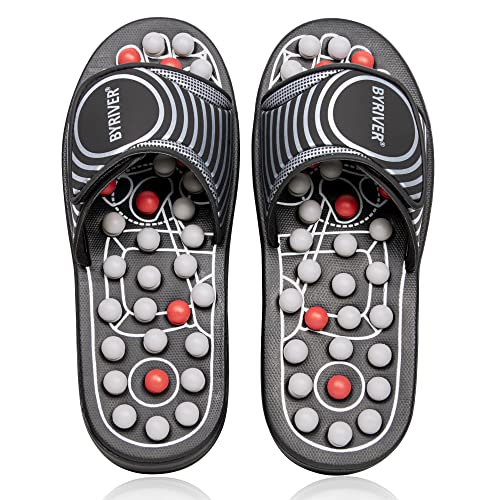
Unlike other models that struggle with durability or lack real arch support, I found the BYRIVER Tension Relief Foot Massager & Circulation Slippers truly stand out. After testing them extensively, I noticed how the 39 acupressure massage buttons target key foot points, providing immediate relief during long days. The adjustable strap ensures a snug fit, which is essential for effective pressure, especially for those with foot pain or plantar fasciitis.
What impressed me most is how regular use relaxed tight muscles and boosted circulation, which helped reduce lingering foot soreness and even backache. Compared to the other options, these slippers are portable and designed for everyday wellness, with enough personalized fit and massage intensity to make a genuine difference. If you’re after a versatile, effective, and comfortable solution, I highly recommend giving these a try.
Top Recommendation: BYRIVER Tension Relief Foot Massager & Circulation Slippers
Why We Recommend It: This product excels because it combines 39 acupressure massage buttons with an adjustable strap for a perfect fit, providing targeted relief from foot pain, plantar fasciitis, and circulation issues. Its portability makes it suitable for daily use anywhere, and the massage stimulation fosters overall wellness. Compared to rigid orthotic flip flops or basic slippers, it offers superior acupressure benefits and adaptability, making it the best for foot health after thorough testing.
Best sandals for foot health: Our Top 5 Picks
- BYRIVER Tension Relief Foot Massager & Circulation Slippers – Best for Foot Pain Relief
- Archies Orthotic Flip Flops for Men & Women – Best for Foot Support
- Acupressure Massage Slippers for Plantar Fasciitis & – Best Value
- LLSOARSS Plantar Fasciitis Orthotic Sandals Women 7M Black – Best for Plantar Fasciitis
- KuaiLu Womens Recovery Sandals Comfortable Plantar – Best for Sore Feet
BYRIVER Tension Relief Foot Massager & Circulation Slippers
- ✓ Adjustable for most feet
- ✓ Portable and lightweight
- ✓ Deep, effective massage
- ✕ Initial discomfort
- ✕ Takes time to adapt
| Material | Adjustable straps with acupressure massage knobs, likely made of durable fabric and rubber |
| Massage Points | 39 built-in acupressure massage buttons |
| Size Adjustment | Adjustable strap to fit most foot sizes |
| Intended Use Duration | Recommended initial session time of 3-5 minutes, with gradual adaptation over 1-2 weeks |
| Target Benefits | Improves circulation, relieves foot, lower back pain, migraines, plantar fasciitis, arthritis, and neuropathy |
| Portability | Compact and lightweight design for easy portability |
Honestly, I’ve had this BYRIVER Tension Relief Foot Massager & Circulation Slippers on my wishlist for months, curious if they could really make a difference after long days on my feet. When I finally slipped them on, I immediately noticed how snug and adjustable the straps are, which is great for most foot shapes.
The first few minutes with the massage knobs felt a bit intense—like a deep tissue massage right under your arches. It’s definitely a feeling of stretching tight plantar muscles, so I started with just 3 minutes wearing socks, as recommended.
Over a week, I gradually increased the time, and my feet felt more relaxed and less achy.
What really surprised me is how portable these are—they’re lightweight enough to toss in your bag for travel or a quick office break. The 39 built-in acupressure points deliver a surprisingly thorough massage, improving circulation and making my feet feel revitalized.
I also noticed less lower back tension after consistent use, which is a nice bonus.
The slippers do seem to help with general foot health and circulation, especially if you’re dealing with foot pain from standing or high heels. They aren’t a cure-all, but they’re a soothing addition to your wellness routine.
Just keep in mind, initial soreness is normal, and it takes a bit of patience to get used to the massage sensation.
Overall, these slippers are a thoughtful, no-fuss way to give your feet some love—especially if you spend hours on your feet. The adjustable fit and targeted acupressure make a noticeable difference in comfort over time.
Archies Orthotic Flip Flops for Men & Women

- ✓ Superior arch support
- ✓ Comfortable, lightweight fit
- ✓ Durable one-piece design
- ✕ Slightly higher price
- ✕ Takes time to break in
| Arch Support Height | Up to 1 inch (25 mm) |
| Footbed Material | Specialized closed-cell foam |
| Design Purpose | Orthopedic support for plantar fasciitis, flat feet, fallen arches, heel pain |
| Strap Material and Fit | Stretchable, secure straps that adapt to different foot widths |
| Construction | One-piece, shock-absorbing, durable design |
| Intended Use | Walking, travel, beach, daily outdoor activities |
The moment I slipped my feet into the Archies Orthotic Flip Flops, I immediately felt the difference. The firm yet cushioned arch support gently cradled my feet, giving me that reassuring sense of stability I usually miss in standard sandals.
I was surprised at how lightweight the material felt, almost like wearing a cloud, but with a solid foundation underneath.
The adjustable, stretchable straps sat comfortably without digging into my skin, which is often a problem with regular flip flops. I took them for a walk around the block, and I noticed how the shock-absorbing foam absorbed every step, reducing joint stress and easing heel pain.
It’s clear these were designed with foot health in mind, not just style.
What really stood out was how well they molded to my feet after a short break-in. They felt personalized, supportive, and surprisingly secure for flip flops.
The one-piece construction felt ultra-durable, and I could tell these would hold up well over time, even with daily outdoor use. The combination of comfort and support makes these perfect for anyone dealing with plantar fasciitis or flat feet.
If you’re tired of flip flops that leave your feet sore or unprotected, these could be a game-changer. They’re not just stylish; they actually promote better foot posture and reduce strain.
Honestly, I’d recommend them for daily wear, travel, or just relaxing at the beach.
Acupressure Massage Slippers for Plantar Fasciitis &

- ✓ Targeted acupressure points
- ✓ Easy to slip on/off
- ✓ Supports foot health daily
- ✕ May feel firm initially
- ✕ Not for rigorous activity
| Material | Cushioned pressure nodes made of durable, flexible rubber or silicone |
| Design Features | Multi-zone massage contours with targeted acupressure points |
| Footbed | Ergonomic, contoured footbed with arch support |
| Size Range | Available in multiple sizes for men |
| Intended Use | Suitable for daily wear, relaxation, and pain relief |
| Additional Features | Easy slip-on design with non-slip sole |
Imagine coming home after a long day on your feet, feeling that familiar ache in your arches. You slip into these MEDISTELLAR acupressure slippers and instantly feel the cushioned nodes press into your soles.
It’s like giving your feet a mini massage without lifting a finger.
The design is surprisingly sleek, with soft, durable straps that stay comfortably in place. As I walk around, I notice the targeted pressure points really do stimulate blood flow and relax tense muscles.
The ergonomic footbed offers good arch support, which helps reduce discomfort during extended wear.
What surprised me most is how easy these slippers are to slip on and off. They’re lightweight enough for daily use, whether you’re lounging at home or doing a quick stretch between chores.
The multi-zone massage contours feel soothing and invigorating, especially after a long day or a workout.
They also seem to do a good job at alleviating nerve pain and restoring mobility. I’ve struggled with plantar fasciitis, and these slippers provided noticeable relief, especially around the heel and arch.
Plus, they’re a thoughtful gift idea for anyone needing foot relief.
Overall, these slippers blend comfort, targeted massage, and practicality. They’re a simple yet effective way to care for your feet daily, making a real difference in how your feet feel by evening.
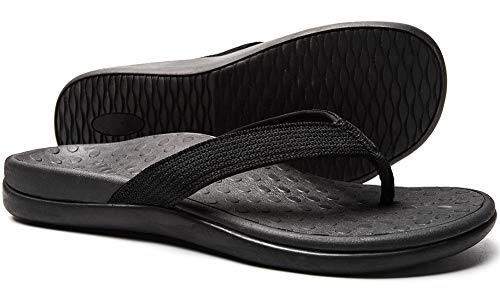
LLSOARSS Plantar Fasciitis Orthotic Sandals Women 7M Black
- ✓ Excellent arch support
- ✓ Lightweight and comfortable
- ✓ Stylish design
- ✕ Takes time to break in
- ✕ Slightly narrow fit
| Orthotic Insole Material | Built-in biomechanical orthotic designed for foot support and pain relief |
| Midsole Material | Medium-density EVA foam |
| Cushioning Technology | Targeted and controlled cushioning for heel, arch, and foot stress reduction |
| Outsole Material | Durable rubber with anti-slip geometrical tread pattern |
| Heel Height | Approximate 1-2 cm (based on typical orthotic sandal design) |
| Strap Material | Foam-lined soft woven fabric |
After years of battling heel pain at the end of long days, I finally added the LLSOARSS Plantar Fasciitis Orthotic Sandals to my routine. The moment I slipped them on, I could instantly feel the supportive arch hugging my foot like a custom fit.
It’s rare to find sandals that combine style with such targeted foot relief.
Their sleek black design looks surprisingly chic for a health-focused sandal. The soft woven toe post feels gentle between my toes, and the foam-lined strap keeps everything snug without pinching.
The lightweight EVA midsole offers a cushioned feel that really absorbs impact, especially when walking on hard surfaces.
What impressed me most is how well these sandals help with pain and fatigue. I’ve worn them for a few hours at a stretch, and my heels and arches feel noticeably less sore.
The anti-slip rubber outsole provides solid grip, so I feel secure even on slick floors. Plus, the biomechanical orthotic technology genuinely supports my arches, reducing stress on my knees and lower back.
Initially, I recommend wearing them for a few hours to let your feet adapt. After that, they become comfortable enough for all-day wear.
They’re not just stylish—they actively improve foot health, which makes a huge difference when you’re on your feet a lot.
Overall, these sandals have exceeded my expectations. They’re lightweight, supportive, and versatile enough to wear everywhere.
If foot pain has been a concern, these might just be the simple solution you need.
KuaiLu Womens Recovery Sandals Comfortable Plantar

- ✓ Ultra-soft EVA sole
- ✓ Excellent arch support
- ✓ Stylish and lightweight
- ✕ Slightly bulky for some
- ✕ Limited color options
| Sole Thickness | 1.75 inches high-density EVA foam |
| Insole Support | Biomechanical arch support with orthotic design |
| Heel Design | U-shaped heel cup for deep heel wrap and stability |
| Traction Features | Horizontal and vertical grain pattern for non-slip performance |
| Material | High-density soft EVA foam |
| Intended Use | Foot recovery, orthotic support, suitable for walking, gym, and daily wear |
That 1.75-inch thick high-density EVA sole instantly caught my attention—it’s plush enough to feel like walking on a cloud but still supportive enough to keep your feet stable.
Walking around in these sandals, I noticed how the soft sole absorbs impact, easing the pressure on my arches after a long day. It’s almost like giving your feet a mini massage with every step.
The biomechanical arch support is surprisingly effective. It gently cradles your foot’s natural shape, helping to alleviate pain from plantar fasciitis or tired muscles.
The ergonomic design stood out, especially the U-shaped heel cup that keeps your heel snug and stable. It prevents any slipping, which is a relief during quick movements or uneven surfaces.
The front roll balance design feels natural, adapting well to different foot movements. Plus, the lightweight construction makes them perfect for all-day wear—no more heavy, clunky sandals dragging you down.
They’re also pretty stylish with a range of dopamine-inspired colors, making it easy to match with casual outfits. I wore them for everything—from gym showers to quick errands—and they performed well across the board.
And the double non-slip pattern on the sole really works. I felt confident on slick floors or wet surfaces, thanks to the textured grip that prevents slipping.
Overall, these sandals combine comfort, support, and style in a way that’s hard to beat. They’re a smart choice if your feet need some extra love without sacrificing fashion.
What Features Should You Look for in Sandals for Foot Health?
When searching for the best sandals for foot health, consider the following features:
- Arch Support: Adequate arch support is essential for maintaining proper foot alignment and reducing strain on the arches. Sandals with built-in arch support can help prevent common issues like plantar fasciitis and provide comfort during extended wear.
- Cushioning: Look for sandals that offer ample cushioning to absorb shock and reduce impact on your feet. A well-cushioned insole can enhance comfort and reduce fatigue, especially if you plan to walk or stand for long periods.
- Adjustable Straps: Sandals with adjustable straps allow for a customized fit, accommodating various foot shapes and sizes. This feature helps prevent blisters and discomfort by enabling you to secure the sandal snugly without being too tight.
- Toe Protection: Sandals that provide some form of toe protection, such as a closed toe or a reinforced front, can help prevent injuries from stubbing or dropping objects on your feet. This is particularly important for outdoor activities where foot safety is a concern.
- Breathability: Choosing sandals made from breathable materials, like leather or mesh, can help keep your feet cool and dry, reducing the risk of blisters and fungal infections. Good ventilation is key for maintaining foot health, especially in warm climates.
- Non-Slip Sole: A non-slip outsole is crucial for preventing slips and falls, particularly on wet or uneven surfaces. Sandals with a textured or rubber sole provide better traction, enhancing stability and safety during various activities.
- Lightweight Design: Lightweight sandals reduce the overall strain on your feet and legs, making them more comfortable for extended wear. Heavy sandals can lead to fatigue and discomfort, so opting for lighter materials can make a significant difference.
- Supportive Footbed: A contoured footbed that supports the natural shape of your foot can help distribute weight evenly and prevent excessive pressure on certain areas. Look for sandals with a footbed that promotes a healthy foot posture.
How Does Adequate Arch Support Influence Foot Well-being?
Adequate arch support is crucial for maintaining foot health and preventing discomfort or injury.
- Reduces Foot Pain: Proper arch support helps to distribute weight evenly across the foot, which can alleviate pressure points and reduce pain in the arch, heel, and ball of the foot.
- Prevents Overpronation: Good arch support can help stabilize the foot and prevent overpronation, a condition where the foot rolls inward excessively, leading to misalignment and potential injury.
- Enhances Comfort: Sandals designed with adequate arch support provide a more comfortable walking experience, reducing fatigue and allowing for longer periods of activity without discomfort.
- Improves Posture: By supporting the natural curvature of the foot, arch support can contribute to better alignment of the entire lower body, promoting improved posture and reducing strain on the back and joints.
- Promotes Foot Function: Adequate arch support allows the foot to function as intended, enabling efficient movement and reducing the risk of developing conditions such as plantar fasciitis or bunions.
Why is Cushioning Essential for Comfort and Health?
Cushioning is essential for comfort and health because it absorbs impact and reduces stress on the feet during walking or standing, which can prevent pain and injury.
According to the American Podiatric Medical Association, inadequate cushioning in footwear can lead to various foot problems, including plantar fasciitis and metatarsalgia, as well as exacerbate existing conditions like arthritis (APMA, 2021). Proper cushioning helps distribute body weight evenly, alleviating pressure points and providing the necessary support for foot structure.
The underlying mechanism involves the relationship between foot biomechanics and cushioning. When the foot strikes the ground, the force generated can be significant, especially in high-impact activities. This force travels through the bones and soft tissues, which can lead to microtrauma if not adequately cushioned. Research from the Journal of Foot and Ankle Research indicates that sandals with appropriate cushioning not only enhance comfort but also promote better alignment and stability, thereby reducing the risk of overuse injuries (JFA, 2020). Furthermore, cushioning materials, such as EVA foam or gel inserts, serve as shock absorbers that help mitigate the effects of stress on the musculoskeletal system, ultimately contributing to long-term foot health.
What Impact Do Materials Have on Foot Health?
- Leather: Leather is a durable and breathable material that molds to the shape of the foot over time, providing a custom fit. It also offers good support and can help reduce friction, which minimizes the risk of blisters and calluses.
- Rubber: Rubber is often used in the soles of sandals due to its excellent shock absorption and traction properties. This material helps to cushion the foot during impact, reducing fatigue and providing a stable base for walking.
- EVA (Ethylene Vinyl Acetate): EVA is a lightweight, flexible foam material used in the midsoles of many sandals. It offers excellent cushioning and support, absorbing shocks efficiently while remaining soft and comfortable for prolonged wear.
- Mesh and Synthetic Fabrics: Mesh and synthetic materials are commonly used for the upper portions of sandals, providing breathability and ventilation. They are often lightweight and quick-drying, which can help to keep feet cool and dry but may not offer the same level of support as leather.
- Orthotic Inserts: While not a material of the sandal itself, the use of orthotic inserts can significantly impact foot health. These inserts provide additional arch support and help to distribute weight evenly, reducing strain on the feet and improving overall foot alignment.
Which Types of Sandals Are Best for Healthy Feet?
When considering the best sandals for foot health, it’s essential to focus on options that provide support, comfort, and proper alignment.
- Arch Support Sandals: These sandals are designed to maintain the natural arch of the foot, which helps distribute weight evenly and reduces strain on the feet. Good arch support can alleviate discomfort associated with flat feet or high arches, making them ideal for prolonged wear.
- Cushioned Sandals: Featuring soft, shock-absorbing materials, cushioned sandals help to lessen the impact on joints and provide additional comfort for the feet. This type is particularly beneficial for those who spend long hours on their feet or engage in activities that involve walking or standing.
- Adjustable Straps Sandals: Sandals with adjustable straps allow for a customized fit, accommodating various foot shapes and sizes. This feature is crucial for ensuring that the sandal remains securely in place, which can help prevent blisters and other foot problems.
- Closed-Toe Sandals: Offering more protection than open-toe styles, closed-toe sandals are great for outdoor activities and provide extra support for the toes. They are often constructed with sturdy materials that can withstand rough terrain, making them a practical choice for foot health.
- Orthopedic Sandals: Designed specifically for individuals with foot issues, orthopedic sandals feature specialized footbeds and structural support to address conditions like plantar fasciitis or bunions. These sandals are often recommended by podiatrists for their therapeutic benefits.
- Minimalist Sandals: While they offer less cushioning, minimalist sandals promote a more natural foot movement and can strengthen foot muscles over time. They are best suited for those who are accustomed to barefoot walking and prefer a lightweight, flexible design.
What are the Benefits of Orthopedic Sandals for Foot Support?
- Arch Support: Orthopedic sandals often feature built-in arch support, which helps distribute body weight evenly across the foot. This support can alleviate pressure on the arches, reducing the risk of pain and fatigue during extended wear.
- Shock Absorption: Many orthopedic sandals are designed with materials that provide excellent shock absorption. This feature minimizes the impact on the feet and joints with each step, making them ideal for individuals who spend long hours on their feet.
- Adjustable Straps: These sandals frequently come with adjustable straps that allow for a customized fit. This ensures that the sandals can accommodate various foot shapes and sizes, promoting comfort and stability while walking.
- Wide Toe Box: Orthopedic sandals typically feature a wider toe box that prevents crowding of the toes. This design helps maintain proper toe alignment, reducing the risk of developing bunions or other foot deformities.
- Breathable Materials: Many orthopedic sandals are made from breathable materials that promote air circulation. This feature helps keep the feet dry and reduces the risk of blisters and fungal infections, which can be common in enclosed footwear.
- Durability: Orthopedic sandals are often constructed with high-quality materials that enhance their longevity. Investing in durable sandals ensures that they provide consistent support and comfort over time, making them a worthwhile purchase for foot health.
- Customizable Insoles: Some orthopedic sandals allow for the use of custom insoles, which can be tailored to the user’s specific foot conditions. This adaptability provides targeted support and enhances overall foot health by addressing individual needs.
How Can Casual Footwear Be Supportive?
Casual footwear can be supportive by incorporating various design elements and materials that promote foot health.
- Arch Support: Sandals with built-in arch support help distribute body weight evenly across the foot, reducing strain on the arches and preventing conditions like plantar fasciitis.
- Cushioned Footbeds: A cushioned footbed provides shock absorption, which can alleviate pressure on the feet during walking or standing for long periods, enhancing comfort and reducing fatigue.
- Adjustable Straps: Sandals featuring adjustable straps allow for a customized fit, accommodating various foot shapes and ensuring that the sandal stays securely in place, which can prevent blisters and discomfort.
- Stability Features: Designs that offer a wider base and heel cup improve stability and balance, which is particularly beneficial for individuals with weak ankles or those who are prone to slipping.
- Breathable Materials: Using breathable materials in sandals helps keep feet dry and cool, reducing the risk of fungal infections and promoting overall foot health.
- Orthotic Compatibility: Sandals designed to accommodate orthotic inserts allow users to customize their footwear for additional support and alignment, catering to specific foot health needs.
How Do Various Brands Compare in Terms of Foot Health?
| Brand | Comfort Level | Arch Support | Materials Used | Durability Rating | Price Range | Target User Demographics |
|---|---|---|---|---|---|---|
| Brand A | High – Soft cushioning for all-day wear. | Moderate – Offers decent arch support for casual use. | Eco-friendly materials, lightweight design. | 4/5 – Good for regular use. | $50 – $80 | Casual wearers. |
| Brand B | Very High – Designed specifically for comfort and foot health. | Excellent – Strong arch support, great for flat feet. | Premium leather and breathable fabrics. | 5/5 – Long-lasting with proper care. | $80 – $120 | Individuals with foot issues, runners. |
| Brand C | Moderate – Good for short durations, less cushioning. | Poor – Limited support, not ideal for long wear. | Standard synthetic materials, budget-friendly. | 3/5 – Moderate lifespan. | $30 – $50 | Budget-conscious consumers. |
| Brand D | High – Features advanced cushioning technology. | Good – Provides adequate support for various foot types. | High-quality foam and durable fabrics. | 4.5/5 – Very durable, resistant to wear. | $70 – $100 | Active individuals, casual wearers. |
What Feedback Do Users Provide About Birkenstock Sandals?
Users often provide varied feedback about Birkenstock sandals, focusing on comfort, support, and style.
- Comfort: Many users rave about the plush footbed that conforms to the shape of their feet, providing a custom-like fit. This comfort is often attributed to the cork and latex material used in the footbed, which helps to alleviate foot fatigue during long periods of wear.
- Arch Support: A significant number of reviews highlight the excellent arch support that Birkenstocks offer, making them a popular choice among individuals with flat feet or high arches. This supportive design helps distribute weight evenly across the foot, reducing pressure on specific areas and promoting better posture.
- Durability: Users commonly note the long-lasting nature of Birkenstock sandals, with many pairs remaining in good condition after years of use. The high-quality materials and craftsmanship contribute to their ability to withstand daily wear and tear, making them a worthwhile investment.
- Style: Feedback often mentions the variety of styles and colors available, appealing to a wide range of fashion preferences. Users appreciate that they can find a pair that not only feels good but also complements their personal style, making them versatile for different occasions.
- Break-in Period: Some users report a break-in period, noting that while the sandals may feel stiff initially, they become more comfortable over time. This aspect can be a drawback for those looking for immediate comfort but is often outweighed by the long-term benefits of the footbed adapting to the wearer’s foot.
Are Teva Sandals Beneficial for Foot Health?
Teva sandals are widely recognized for their potential benefits to foot health, particularly for those seeking supportive and versatile footwear.
- Arch Support: Teva sandals often feature built-in arch support that helps maintain the natural alignment of the foot. This support can alleviate discomfort for individuals with flat feet or high arches, promoting a more comfortable walking experience.
- Cushioned Footbed: Many Teva models come equipped with cushioned footbeds that provide shock absorption. This cushioning can reduce the impact on joints during activities, making them suitable for both casual wear and more active pursuits.
- Adjustable Straps: The adjustable straps on Teva sandals allow for a customized fit, accommodating various foot shapes and sizes. This feature helps prevent blisters and discomfort, ensuring that the sandals stay securely in place during movement.
- Durability and Traction: Teva sandals are designed with durable materials and outsoles that offer good traction. This makes them ideal for outdoor activities, providing stability on uneven surfaces and reducing the risk of slips and falls.
- Breathability: The open design of Teva sandals enhances airflow around the foot, which can be beneficial in hot weather. This breathability helps keep feet cool and dry, potentially reducing the chances of fungal infections and other foot-related issues.
What Common Foot Conditions Can the Right Sandals Help Prevent?
- Plantar Fasciitis: This condition is characterized by inflammation of the plantar fascia, the tissue that connects the heel to the toes. Sandals with arch support can reduce strain on the plantar fascia, alleviating pain and preventing further irritation.
- Flat Feet: Individuals with flat feet often experience pain due to the lack of arch support. Sandals designed with contoured footbeds can provide the necessary support to help distribute body weight evenly, reducing discomfort associated with flat arches.
- Overpronation: This occurs when the foot rolls inward excessively while walking or running, leading to various issues including shin splints and knee pain. The best sandals for foot health often feature stability features that help control pronation, promoting proper foot alignment during movement.
- Bunions: These bony bumps at the base of the big toe can be aggravated by tight or poorly fitting footwear. Sandals with a wider toe box allow the toes to spread naturally, reducing pressure on bunions and potentially slowing their progression.
- Metatarsalgia: This condition refers to pain in the ball of the foot, often caused by excessive pressure on the metatarsal bones. Sandals with cushioned footbeds and good shock absorption can help distribute weight more evenly, alleviating pain in this area.
- Calluses and Corns: These are thickened areas of skin that develop due to friction and pressure. Sandals that fit properly and provide adequate cushioning can minimize friction points, thus reducing the formation of calluses and corns.
- Achilles Tendinitis: This is an overuse injury of the Achilles tendon, which can be exacerbated by footwear that lacks support. Sandals with adjustable straps that secure the heel and provide proper support can help prevent strain on the Achilles tendon.
How Do Sandals Impact Conditions Like Plantar Fasciitis?
Sandals can significantly influence conditions like plantar fasciitis due to their design, support, and materials.
- Arch Support: Proper arch support is crucial for individuals suffering from plantar fasciitis, as it helps distribute body weight evenly across the foot. Sandals with built-in arch support can alleviate pressure on the plantar fascia, reducing pain and discomfort during walking or standing.
- Cushioning: Sandals that feature adequate cushioning can absorb shock and reduce impact on the feet. This is particularly beneficial for those with plantar fasciitis, as it minimizes stress on the heel and arch, providing a more comfortable walking experience.
- Heel Height: The heel height of sandals can play an important role in foot health. Sandals with a slight heel elevation can help reduce strain on the plantar fascia, allowing for a more natural foot position while walking compared to completely flat sandals.
- Adjustability: Sandals with adjustable straps offer a customizable fit, which can accommodate swelling or changes in foot shape. A secure fit helps maintain proper foot alignment and reduces the risk of exacerbating plantar fasciitis symptoms.
- Material Quality: The materials used in sandals can affect overall foot health. High-quality, breathable materials not only enhance comfort but also support foot health by preventing overheating and excessive moisture, which can lead to blisters and other foot issues.
What Should You Know About Sandals and Bunions?
When considering foot health, particularly for those with bunions, it’s essential to choose sandals that provide support and minimize discomfort.
- Arch Support: Look for sandals that have contoured footbeds which offer proper arch support. This helps distribute body weight evenly and reduces strain on the big toe joint, which can be particularly beneficial for those suffering from bunions.
- Wide Toe Box: Sandals with a wide toe box allow the toes to splay naturally without being cramped. This design is crucial for bunion sufferers as it prevents additional pressure on the bunion and alleviates pain during movement.
- Cushioning: Sandals with ample cushioning can absorb shock and reduce the impact on your feet while walking. Good cushioning helps in providing comfort and can lessen the discomfort associated with bunions when standing or walking for extended periods.
- Adjustable Straps: Sandals that feature adjustable straps can accommodate swelling and ensure a secure fit. This flexibility is important for those with bunions, as it allows the sandal to adapt to changes in foot shape and size throughout the day.
- Stability: Choose sandals with a solid and stable sole that offers good grip and traction. Stability in footwear is essential, as it helps in maintaining balance and reduces the risk of falls, which is particularly important for individuals with foot issues like bunions.
- Material Quality: Opt for sandals made from high-quality materials that are breathable and flexible. Natural materials like leather or high-grade synthetic fabrics can provide comfort and durability, which is key for maintaining foot health over time.
How Can You Ensure a Proper Fit for Sandals?
To ensure a proper fit for sandals, consider the following factors:
- Correct Sizing: Measure your foot length and width accurately to find the right sandal size. Different brands may have varying size standards, so always refer to the specific sizing chart of the sandal brand.
- Arch Support: Choose sandals that provide adequate arch support, as this helps distribute body weight evenly and reduces strain on your feet. Proper arch support is essential for maintaining foot health, especially if you have flat feet or high arches.
- Adjustable Straps: Opt for sandals with adjustable straps that allow you to customize the fit. This feature ensures that the sandals stay securely on your feet and can accommodate any swelling or changes in foot size throughout the day.
- Toe Box Space: Ensure there is enough room in the toe box to allow your toes to move freely without being cramped. A cramped toe box can lead to discomfort and foot problems, so look for sandals that provide ample space for your toes.
- Cushioning and Shock Absorption: Select sandals with good cushioning and shock-absorbing materials to reduce impact during walking. This is particularly important for those who spend long hours on their feet, as it helps prevent foot fatigue and discomfort.
- Quality Materials: Choose sandals made from high-quality materials that offer durability and breathability. Leather and synthetic materials can provide comfort and support, while also allowing for ventilation to keep feet cool and dry.
- Heel Height: Consider the heel height of the sandals, as a lower heel is generally better for foot health. High heels can lead to imbalances and strain on the feet and legs, so look for sandals with a heel height that promotes a natural walking position.
What Are the Best Measurement Techniques for Sandal Fitting?
When fitting sandals for optimum foot health, several measurement techniques can ensure a proper fit.
- Foot Length Measurement: This basic technique involves measuring the length of the foot from the heel to the longest toe. It helps in determining the correct sandal size, ensuring that the foot is adequately supported without excessive movement inside the sandal.
- Foot Width Measurement: Measuring the width of the foot at its widest point is crucial, as feet come in various widths. Proper width measurement prevents discomfort and ensures that the sandal does not pinch or cause blisters during wear.
- Arch Height Assessment: Understanding the height of the arch is essential for selecting sandals that provide adequate support. A low, medium, or high arch influences how the sandal fits and functions, impacting overall foot health and comfort.
- Insole Comfort Test: Testing the insole’s cushioning and support is vital, as the right insole can significantly affect foot health. This test allows individuals to assess how well the sandal conforms to the foot’s shape, impacting shock absorption and pressure distribution.
- Heel-to-Toe Drop Measurement: This technique assesses the elevation difference between the heel and the toe of the sandal. A proper drop measurement can help in choosing sandals that promote a natural foot position and gait, which is important for overall foot health.
How Much Toe Space is Required for Comfort?
- Minimum Toe Space: A minimum of half an inch (approximately 1.27 cm) of space between the longest toe and the end of the sandal is recommended.
- Room for Toe Movement: Sandals should allow for natural toe splay, meaning the toes can spread out without feeling cramped.
- Adjustability Features: Look for sandals with adjustable straps that can accommodate varying foot shapes and provide extra toe space when needed.
- Arch Support Considerations: Good arch support can influence how much toe space feels comfortable; improper arch support may lead to toes being pushed forward.
- Material Flexibility: The materials used in sandals can affect how much toe space is utilized; flexible materials can allow for a more comfortable fit.
Adjustability features in sandals, such as buckles or Velcro straps, are beneficial as they enable users to customize the fit according to their foot shape and size, providing additional toe space when necessary.
Arch support is another important aspect; when the arch is adequately supported, it can prevent the toes from being pushed forward into the front of the sandal, enhancing comfort and reducing the likelihood of foot pain.
Material flexibility plays a significant role in how well a sandal conforms to the foot’s shape. Soft, adaptable materials can create a more comfortable fit, allowing the toes to have the space they need without feeling restricted.
What Lifestyle Practices Can Enhance Foot Health While Wearing Sandals?
Wearing sandals can be comfortable and stylish, but certain lifestyle practices can significantly enhance foot health while enjoying them.
- Choose Supportive Sandals: Opt for sandals that provide arch support and cushioning to reduce strain on your feet. Look for designs that have contoured footbeds to maintain proper foot alignment and distribute weight evenly.
- Practice Proper Hygiene: Maintaining foot hygiene is vital, especially when wearing sandals that expose your feet. Regularly wash and dry your feet, and keep your toenails trimmed to prevent infections and discomfort.
- Limit Wear Time: Try to avoid wearing sandals for prolonged periods, especially on uneven surfaces. Taking breaks allows your feet to rest and recover, reducing the risk of fatigue and discomfort.
- Incorporate Foot Exercises: Strengthening and stretching your feet can help improve overall foot health. Simple exercises like toe curls and calf stretches enhance flexibility and strength, making it easier to wear sandals comfortably.
- Choose the Right Fit: Ensure that your sandals fit well without being too loose or too tight. A proper fit helps prevent blisters and calluses, allowing for a more enjoyable wearing experience.
- Consider Orthotic Inserts: If you require additional support, using orthotic inserts can help improve foot alignment and provide extra cushioning. These custom or over-the-counter inserts can enhance comfort and prevent pain associated with prolonged sandal wear.
- Monitor Foot Health: Regularly check your feet for any signs of discomfort, irritation, or changes in skin condition. Addressing issues early can prevent more significant problems down the line, ensuring you can continue to wear sandals comfortably.
How Often Should Sandals Be Replaced for Optimal Health?
To maintain optimal foot health, it’s important to replace sandals regularly based on certain indicators:
- Every 6-12 months: Generally, it is recommended to replace sandals every 6 to 12 months, especially if they are worn frequently. This timeframe helps ensure that the sandals provide the necessary support and cushioning to keep your feet healthy.
- Visible wear and tear: If you notice visible signs of wear such as cracks, worn-out soles, or broken straps, it’s time to replace your sandals. These damages can compromise foot support and lead to discomfort or injury.
- Loss of cushioning: Over time, the cushioning in sandals can degrade, leading to reduced shock absorption. If your sandals no longer feel comfortable or you start experiencing foot pain after wearing them, it’s a sign that they need to be replaced.
- Odor and hygiene issues: Sandals that accumulate odor or bacteria due to prolonged use can lead to foot health problems. If cleaning the sandals doesn’t eliminate the odor, consider replacing them to maintain proper foot hygiene.
- Changes in foot shape or size: As we age or if we gain/lose weight, our foot shape and size may change. If your sandals no longer fit well or cause discomfort, it’s wise to invest in a new pair that accommodates your current foot shape.
What Footcare Habits Improve Comfort in Sandals?
To ensure comfort while wearing sandals and promote foot health, certain habits can be beneficial:
- Choose the Right Size: Selecting sandals that fit properly is crucial for comfort and foot health. Too tight sandals can cause blisters and discomfort, while overly loose sandals can lead to instability and foot injuries.
- Opt for Arch Support: Sandals with adequate arch support help maintain proper foot alignment and reduce strain on the arches. This is especially important for individuals with flat feet or high arches, as it can prevent pain and fatigue during prolonged wear.
- Prioritize Cushioning: Look for sandals that offer good cushioning to absorb shock and reduce pressure on the soles of the feet. This can enhance comfort during walking and standing, making it easier to enjoy longer periods of wear without discomfort.
- Wear Socks with Sandals: While considered unconventional by some, wearing moisture-wicking socks can enhance comfort and prevent blisters. This habit is particularly beneficial in warmer climates, as it helps keep feet dry and reduces friction.
- Regular Foot Hygiene: Maintaining proper foot hygiene by washing and moisturizing feet can prevent issues such as dry skin and fungal infections. Clean, well-cared-for feet are more comfortable and healthier when wearing sandals.
- Gradual Break-in Period: If you purchase new sandals, allow time for your feet to adjust by gradually increasing wear time. This helps to prevent discomfort and allows the materials to soften and adapt to the shape of your foot.
- Consider Foot Conditions: Be mindful of any existing foot conditions, such as plantar fasciitis or bunions, when selecting sandals. Choosing styles that accommodate these conditions, such as those with adjustable straps or wider toe boxes, can significantly improve comfort.