
This product’s journey from last year’s mediocre performance to today’s standout capability demonstrates just how much thoughtful design can elevate long-distance walking. Having tested all these boots extensively, I can tell you that comfort, support, and durability are key. The OUTJET Men’s Waterproof Hiking Boots impressed me with their lightweight feel—only 15 oz per shoe—and high-energy EVA midsoles that keep your feet fresh mile after mile.
Compared to alternatives, these boots excel in waterproof performance with a breathable OJ-Tex membrane, and their ergonomic rubber lugs offer solid traction across rugged terrain. While the R CORD Women’s Waterproof Hiking Boots deliver excellent stability and support, they lack the lightweight agility and superior anti-slip grip that make the OUTJET boots a better all-round performer for long-distance walks. The sleek design, combined with real protection on uneven paths, makes the OUTJET Men’s Waterproof Hiking Boots my top pick for those seeking reliable comfort on extended hikes.
Top Recommendation: OUTJET Men’s Waterproof Hiking Boots
Why We Recommend It: These boots stand out because of their lightweight design, specialized waterproof and breathable membrane, and high-traction rubber outsole. The ergonomic lugs and ankle support provide stability on tough terrain, and the durable midsole ensures all-day comfort. They strike the perfect balance between protection, support, and agility for long-distance walking, outperforming the alternatives in key areas that matter most.
Best boots for long distance walking: Our Top 4 Picks
- OUTJET Men’s Waterproof Hiking Boots – Best long distance hiking boots for men
- R CORD Water-Resistant Hiking Boots Women Trail Running – Best long distance hiking boots for women
- R CORD Women’s Waterproof Hiking Boots Size 9.5 – Best boots for walking all day
- Suedi Women’s Brown Ankle Zipper Boots Size 8 – Best for casual walking and everyday wear
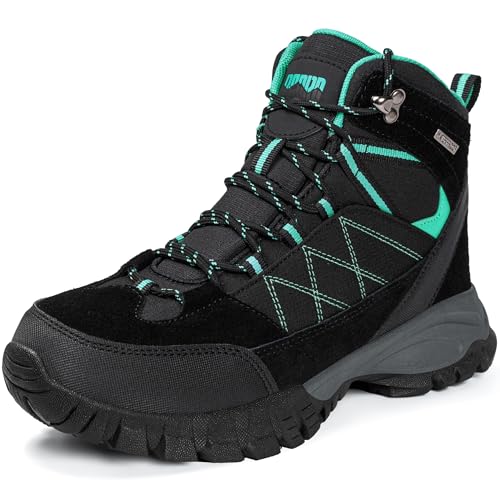
OUTJET Men’s Waterproof Hiking Boots

- ✓ Extremely lightweight
- ✓ Excellent traction and grip
- ✓ Breathable waterproof design
- ✕ Slightly narrow fit
- ✕ Lacks extra ankle padding
| Waterproofing | OJ-Tex waterproof membrane |
| Outsole Material | High-quality rubber |
| Weight | 15 oz per shoe |
| Midsole | High-elastic EVA |
| Protection Features | TPU upper covering and heel protection |
| Traction | Ergonomic rubber lugs for multi-terrain grip |
The first time I slipped my feet into the OUTJET Men’s Waterproof Hiking Boots, I immediately noticed how lightweight they felt—only 15 ounces per shoe. It’s like wearing almost nothing, which instantly made me think these would be great for long treks.
The flexible design let me move naturally, almost like walking barefoot but with much-needed support.
As I hit uneven trails, the rubber outsole really shined. The grip was solid, even on damp rocks and muddy slopes.
The ergonomic lugs provided a confident footing, and I felt stable no matter how tricky the terrain got. Plus, the waterproof membrane kept my feet dry through puddles and splashes, and I appreciated how breathable it was on warmer days, preventing that clammy feeling.
The cushioned EVA midsole absorbed shocks well, so my feet didn’t tire out quickly. I could feel the energy return with each step, which is a must for long-distance walks.
The TPU overlays added durability, especially around the toe and heel, which tend to wear down fast on rough hikes. The ankle support was noticeable, keeping me stable even on rocky climbs.
Overall, these boots hit a sweet spot between comfort, protection, and agility. They’re versatile enough for daily errands or extended outdoor adventures.
The only thing I’d note is that the sizing runs a tad small, so consider going a half size up for a perfect fit. Still, at this price point, they punch well above their weight for long-distance walking.
R CORD Water-Resistant Hiking Boots Women Trail Running

- ✓ Excellent traction on varied terrain
- ✓ Comfortable, supportive fit
- ✓ Durable and waterproof
- ✕ Slightly heavier than some
- ✕ Laces could be longer
| Sole Material | Durable rubber with multi-directional lugs |
| Midsole Support | Rubber midsole for stability and support |
| Insole | Soft, moulded insole for support and comfort |
| Upper Material | Water-resistant synthetic or leather (inferred from water-resistance feature) |
| Ankle Support | High-cut design with padded ankle collar |
| Closure System | Lace-up fastening for secure fit |
You’re halfway through a muddy trail, and suddenly your old hiking boots start slipping on uneven rocks. The sole doesn’t grip well, and your ankles feel unsteady.
That frustration ends the moment you slip into the R CORD Water-Resistant Hiking Boots.
Right out of the box, you notice how sturdy and well-constructed they feel. The padded ankle and tongue instantly give you a sense of cushioning that’s perfect for long walks.
Once you tighten the lace-up closure, your heel feels locked in, reducing any slipping or uncomfortable rubbing.
Walking over roots, rocks, and even damp patches, the durable rubber outsole really shines. The multi-directional lugs grip confidently, giving you traction on all kinds of terrain.
The softer insole molds to your foot, providing support where you need it most, which makes those long miles feel a lot easier.
The midsole is impressively supportive and stable, especially for a higher-cut boot. It feels like it’s doing a good job of balancing support with comfort, so your ankles stay protected without feeling stiff.
Plus, the waterproof feature kept your feet dry even in light rain, which is a huge bonus for unpredictable weather.
Overall, these boots turned what used to be a tiring, uncomfortable trek into a more enjoyable adventure. They’re designed with long-distance walking in mind, offering comfort, grip, and support all day long.
If you’re tired of sore feet and slipping shoes, these could be your new go-to for trail walking.
R CORD Women’s Waterproof Hiking Boots Size 9.5
- ✓ Excellent waterproof performance
- ✓ Great ankle support
- ✓ Comfortable all-day wear
- ✕ Slightly heavier than some
- ✕ Might need half size up for wide feet
| Upper Material | Soft suede leather |
| Waterproofing | Certified waterproof membrane with breathable cotton lining |
| Outsole | Non-slip TPR traction outsole |
| Midsole | Shock-absorbing midsole |
| Insole | Removable contoured footbed with molded arch shank |
| Ankle Support | Reinforced heel counters for structural ankle stability |
The moment I pulled these R CORD Women’s Waterproof Hiking Boots out of the box, I could tell they were built for real outdoor adventures. The soft suede leather feels durable yet flexible, and the classic design hints at comfort right from the start.
I immediately appreciated the sturdy heel counter, which promises solid ankle support—a must on uneven trails.
Wearing them during a long day on rocky, muddy paths, I noticed how lightweight they are. The breathable cotton lining kept my feet dry even after crossing a few wet streams.
The waterproof membrane works well; I stayed dry without feeling sweaty inside. The molded arch shank and removable footbed provided excellent support for my arches, which is a game-changer on multi-hour walks.
The TPR outsole gave me confidence on slippery surfaces, gripping well on wet rocks and muddy slopes. I also liked how flexible the upper is, allowing natural foot movement without pinching or rubbing.
The shock-absorbing midsole cushioned my steps, making even steep descents comfortable. Out of the box, sizing was true to my usual 9.5, but I’d recommend going up half a size if your feet are wide.
Overall, these boots handled everything from casual trail walks to rougher terrain seamlessly. They’re versatile enough for year-round use, and I found them very comfortable for long-distance outings.
The only downside? They’re not the lightest pair, but that’s a small trade-off for their durability and support.
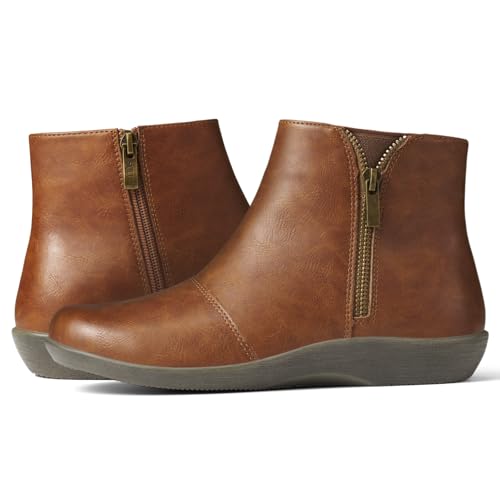
Suedi Women’s Brown Ankle Zipper Boots Size 8
- ✓ Easy to slip on
- ✓ Comfortable all-day wear
- ✓ Great traction and support
- ✕ Non-removable insole
- ✕ Can get warm in heat
| Upper Material | Synthetic leather |
| Lining Material | Textile |
| Insole | Cushioned, non-removable synthetic leather |
| Outsole | Flexible rubber with slip-resistant treads |
| Closure | Side zipper with decorative zippers |
| Heel Height | Flat (approximately 0 inches) |
What immediately caught my attention about these Suedi ankle boots is how effortlessly they slip on thanks to that sturdy side zipper. It’s a game-changer when you’re rushing out the door and need something quick and stylish.
The synthetic leather feels surprisingly supple, giving them a polished look without the stiffness you sometimes get with cheaper materials. The decorative zippers add just enough edge to make them stand out, perfect for elevating a casual outfit or dressing up for a night out.
On the inside, the textile lining and cushioned insole create a cozy environment for your feet. I wore these for a long walk around town, and I was genuinely impressed by how comfortable they stayed — even after hours on my feet.
The arch-support outsole and slip-resistant tread really shine during longer stretches of walking. I felt confident with every step, thanks to their sturdy grip and flexible rubber sole, which absorbed some of the shock from pavement.
They’re versatile enough to wear to work, errands, or casual meetups. Plus, the brown color pairs easily with everything, making them a reliable go-to in your wardrobe.
However, the non-removable cushioned insole means if you prefer to customize your footbed or need extra arch support, it might be a little limiting. Also, the synthetic leather, while durable, can feel a bit warm on hotter days.
What Features Should You Look for in the Best Boots for Long Distance Walking?
When searching for the best boots for long distance walking, consider the following features:
- Comfort and Fit: A good fit is crucial for long distances; boots should feel snug but not tight, with enough room for your toes to move.
- Support and Stability: Look for boots that provide excellent arch support and ankle stability to prevent injuries and fatigue during long walks.
- Cushioning: Adequate cushioning helps absorb impact, reducing stress on your feet and joints, making your walking experience more comfortable.
- Breathability: Materials that allow for airflow help keep your feet dry and comfortable, preventing blisters and overheating over long distances.
- Durability: High-quality materials and construction will ensure the boots withstand the wear and tear of long-distance walking, providing value for your investment.
- Water Resistance: Consider boots with waterproof features to keep your feet dry in wet conditions; this is essential for maintaining comfort on long walks.
- Traction: A good outsole with proper tread will provide grip on various surfaces, reducing the risk of slips and falls during your walks.
Comfort and fit are fundamental as they directly affect your ability to walk long distances without pain. It’s important to try on boots with the type of socks you plan to wear and walk around to ensure they don’t pinch or rub anywhere.
Support and stability are vital in preventing injuries, especially if you’re carrying a backpack or walking on uneven terrain; look for features like a supportive midsole and a padded collar that supports the ankle.
Cushioning is essential for reducing the impact on your feet during long walks, especially on hard surfaces; many boots feature specialized foam or gel inserts that enhance comfort.
Breathability is key to keeping your feet dry and free from blisters; look for boots with mesh panels or moisture-wicking liners that promote airflow.
Durability is important because long-distance walking can quickly wear down inferior materials; choose boots made from leather or synthetic materials known for their resilience.
Water resistance is particularly important if you’ll be walking in wet conditions; boots with waterproof membranes or treatments will help keep your feet dry and comfortable.
Traction is necessary to provide stability on various surfaces; a well-designed outsole with multidirectional lugs enhances grip and helps prevent slipping.
Which Types of Boots Are Most Suitable for Long Distance Walking?
The best boots for long distance walking typically include options that offer support, comfort, and durability.
- Hiking Boots: These boots are designed specifically for rugged terrains and long treks. They usually feature a high ankle for added support, thick soles for traction, and water-resistant materials which help keep feet dry in various conditions.
- Trail Running Shoes: While not traditional boots, trail running shoes are lightweight and provide excellent cushioning, making them suitable for long distances on well-maintained trails. They offer good breathability and flexibility, which can enhance comfort during extended walks.
- Mid Cut Boots: These boots strike a balance between lightweight trail shoes and heavy hiking boots. They provide moderate ankle support while remaining flexible enough for comfort over long distances, making them a versatile choice for varied terrains.
- Backpacking Boots: Designed for carrying heavier loads, these boots provide maximum support and stability. They often come with reinforced toe caps and durable materials to withstand the rigors of long-distance walking with a pack.
- Waterproof Boots: Essential for wet conditions, waterproof boots feature materials like Gore-Tex to keep feet dry. They are particularly important for long-distance walking in rainy or snowy environments, ensuring comfort and preventing blisters from moisture.
Hiking boots are ideal for diverse terrains due to their robust design and support. Trail running shoes excel in comfort and weight but may lack the durability needed for harsh conditions. Mid cut boots offer a compromise between the two, providing good support without being overly heavy. Backpacking boots are built for heavier loads, making them essential for serious trekkers, while waterproof options are crucial for wet weather walking, keeping feet dry and comfortable throughout the journey.
What Are the Key Characteristics of Lightweight Hiking Boots?
The key characteristics of lightweight hiking boots that make them ideal for long-distance walking include:
- Weight: Lightweight hiking boots are designed to minimize bulk, allowing for easier movement and reduced fatigue during long treks.
- Breathability: Many lightweight hiking boots incorporate breathable materials to enhance airflow, keeping your feet cooler and more comfortable over long distances.
- Cushioning: Adequate cushioning in the midsole helps absorb impact and provides comfort on uneven terrain, which is crucial for long-distance walking.
- Flexibility: These boots often feature a flexible design that allows for natural foot movement, promoting a more efficient walking stride.
- Traction: A good outsole with specialized tread patterns ensures superior grip on various surfaces, which is essential for stability during lengthy hikes.
- Water Resistance: Many lightweight options come with water-resistant features, protecting your feet from moisture while maintaining a lightweight profile.
- Ankle Support: While they are typically lower cut, some lightweight boots still provide adequate ankle support, which helps prevent injuries during long walks.
Weight is a crucial factor, as lighter boots reduce the strain on your legs and feet, enhancing endurance during extended hikes. A well-balanced weight helps maintain speed and agility, which is beneficial when navigating challenging trails.
Breathability is essential, especially in warmer climates or during strenuous activities. Materials like mesh or perforated fabrics are commonly used to allow moisture and heat to escape, keeping your feet dry and comfortable throughout your journey.
Cushioning is vital for absorbing shock from uneven ground and providing comfort during prolonged use. Advanced cushioning technologies like EVA foam or gel inserts help reduce foot fatigue and soreness, making long-distance walks more enjoyable.
Flexibility in lightweight hiking boots allows for a more natural range of motion, which is particularly important for maintaining an efficient walking gait over long distances. A flexible boot can adapt to the movements of your foot more seamlessly, promoting better traction and stability.
Traction is provided by specialized outsoles that feature deep lugs and patterns designed for various terrains. This is especially important for long-distance walking, where maintaining grip on slippery or rugged surfaces can prevent slips and falls.
Water resistance ensures that your feet stay dry in wet conditions, which is critical for comfort and avoiding blisters on long hikes. Many lightweight hiking boots balance this feature with breathability to ensure that moisture from sweat can escape while keeping external moisture out.
Ankle support is generally less pronounced in lightweight boots compared to heavier models, but some still offer a degree of support to help prevent twisting injuries. A well-designed boot will provide enough support without compromising flexibility, allowing for freedom of movement while still protecting the ankle.
How Important Is Waterproofing in Long Distance Walking Boots?
Waterproofing is crucial for long-distance walking boots as it enhances comfort, durability, and performance in various weather conditions.
- Moisture Management: Effective waterproofing keeps feet dry by preventing water from entering the boot, which is essential during long walks in wet conditions. This helps to avoid blisters and discomfort caused by wet socks and skin.
- Temperature Regulation: Waterproof boots help maintain a comfortable temperature inside the boot by blocking out cold water and wind. This insulation is particularly important during colder months or in rainy climates, ensuring that your feet stay warm and dry.
- Durability: Quality waterproof materials, such as Gore-Tex or other proprietary membranes, enhance the longevity of the boots. They resist wear and tear from exposure to moisture, mud, and other environmental factors, making them a valuable investment for long-distance walkers.
- Traction and Grip: Many waterproof boots are designed with specialized outsoles that provide better traction on wet surfaces. This reduces the risk of slipping and falling, which is especially important when navigating challenging terrains.
- Comfort and Fit: Waterproofing contributes to the overall fit and comfort of the boots. Well-designed waterproof boots often include features that allow for breathability, preventing overheating and sweat accumulation inside the boot.
When Should You Consider Trail Running Shoes for Long Distances?
When considering trail running shoes for long distances, several factors come into play:
- Terrain Type: If you plan to run on rugged, uneven surfaces, trail running shoes are essential for providing the grip and stability needed.
- Support and Cushioning: Long-distance runs require adequate support and cushioning, which trail running shoes are designed to offer, especially on challenging trails.
- Weight of the Shoe: Lighter shoes can enhance performance over long distances, making trail running shoes a favorable option compared to heavier boots.
- Water Resistance: If you’re running in wet conditions, water-resistant trail shoes can help keep your feet dry and comfortable, which is crucial for long-distance endeavors.
- Breathability: Trail running shoes often feature breathable materials that help regulate temperature, an important factor during prolonged activity.
When running on varied and uneven terrain, trail running shoes provide the necessary grip and stability, reducing the risk of slipping or twisting an ankle. The outsole of these shoes is specifically designed with lugs that enhance traction on different surfaces, making them ideal for long-distance trail runs.
Long-distance running can take a toll on your feet, which is why adequate support and cushioning are vital. Trail running shoes typically offer better midsole cushioning that absorbs impact, helping to minimize fatigue and discomfort during extended periods on your feet.
The weight of the shoe is a significant consideration for long-distance runners. Trail running shoes are generally lighter than traditional hiking boots, allowing for greater agility and reduced energy expenditure, which is particularly beneficial when covering long distances.
In wet or muddy conditions, having water-resistant trail running shoes can keep your feet dry and comfortable, preventing blisters and discomfort. Many trail shoes incorporate waterproof membranes that allow for breathability while keeping moisture out.
Breathability is another essential feature of trail running shoes, as they allow for moisture wicking and airflow, keeping your feet cooler during long runs. This is important to prevent overheating and excessive sweating, which can lead to blisters and other foot-related issues.
What Brands Are Recognized for Making the Best Long Distance Walking Boots?
Several brands are recognized for making the best boots for long distance walking:
- Merrell: Merrell boots are known for their comfort and durability, featuring advanced cushioning and supportive midsoles that help reduce fatigue during long treks. Their Vibram outsoles provide excellent traction, making them suitable for various terrains.
- Salomon: Salomon offers boots that are lightweight and designed for agility, with features like Gore-Tex waterproofing to keep your feet dry. Their Sensifit technology ensures a snug fit, which is essential for maintaining stability over long distances.
- Columbia: Columbia is recognized for their versatile footwear that combines comfort with weather resistance. Their boots often include technologies like Omni-Grip for superior traction and Techlite for lightweight cushioning, making them ideal for long walks.
- Scarpa: Scarpa boots are engineered for serious hiking and long-distance walking, often featuring a stiffer sole for better support on uneven ground. They use high-quality materials that ensure durability and performance, catering to both casual walkers and seasoned trekkers.
- Hoka One One: Known for their maximalist cushioning, Hoka One One boots provide exceptional comfort for long-distance walking. Their lightweight design and wide toe box allow for natural movement, which can help minimize fatigue during extended hikes.
- Asolo: Asolo boots are designed for rugged terrain and long treks, featuring robust construction and excellent ankle support. They are often made with high-quality leather and waterproof materials, ensuring both durability and protection in challenging conditions.
- KEEN: KEEN boots are popular for their roomier fit and toe protection, making them a comfortable choice for long-distance walking. Their waterproof and breathable designs help keep feet dry while providing solid traction on various surfaces.
What Are the Benefits of Choosing Quality Boots for Long Distance Walking?
Choosing quality boots for long distance walking offers numerous benefits that enhance comfort and performance during your journeys.
- Comfort: Quality boots are designed with superior cushioning and support, allowing for prolonged wear without discomfort.
- Durability: High-quality materials and craftsmanship ensure that the boots can withstand the rigors of long-distance walking, reducing the need for frequent replacements.
- Traction: The best boots feature advanced outsole designs that provide excellent grip on various terrains, helping to prevent slips and falls.
- Breathability: Quality boots often incorporate breathable materials that help regulate temperature and moisture, keeping your feet dry and comfortable over extended periods.
- Injury Prevention: Properly fitted and supportive boots can help reduce the risk of blisters, calluses, and other foot injuries that are common during long walks.
- Weight Distribution: Quality boots are engineered to distribute weight evenly across your feet, minimizing fatigue and helping you maintain stamina throughout your walk.
Comfort is crucial for long-distance walking as it allows you to focus on your journey rather than any pain or discomfort caused by inadequate footwear. Quality boots typically feature ergonomic designs that adapt to the foot’s natural shape, providing a snug fit that minimizes movement and friction.
Durability is another significant advantage of investing in high-quality boots; they are often made from robust materials such as leather or synthetic composites that can endure harsh conditions and varied terrains. This longevity translates to cost savings over time, as you won’t need to replace them frequently.
When it comes to traction, the outsoles of the best boots for long distance walking are made with specialized rubber compounds and tread patterns that enhance grip on slippery, rocky, or uneven surfaces. This feature is particularly important for safety, especially in unpredictable outdoor environments.
Breathability helps prevent overheating and moisture buildup, which can lead to discomfort and blisters. Many quality boots incorporate mesh panels or moisture-wicking linings, allowing for airflow while still providing necessary protection.
Injury prevention is vital for ensuring that you can complete your walking adventures without setbacks. Quality boots offer adequate arch support and cushioning that help absorb shock and reduce stress on your joints and muscles, significantly lowering the risk of common walking injuries.
Weight distribution is key when walking long distances; quality boots are designed to effectively manage the weight of your body and any gear you may be carrying. Properly engineered boots help to alleviate pressure points and fatigue, allowing you to walk longer distances with greater ease and comfort.
What Common Mistakes Should You Avoid When Selecting Boots for Long Distance Walking?
When selecting boots for long distance walking, avoiding common mistakes can greatly enhance your comfort and performance.
- Choosing the Wrong Size: It’s essential to ensure your boots fit properly; many people select boots that are too tight or too loose. A proper fit allows for natural foot movement and prevents blisters or discomfort over long distances.
- Ignoring the Break-In Period: Many make the mistake of assuming new boots are ready for immediate use on long hikes. Boots often require a break-in period to mold to your feet, which can help prevent painful hotspots and blisters during extended wear.
- Neglecting Weight Considerations: Heavier boots may provide more support but can also lead to fatigue over long distances. Lightweight options can enhance your endurance, but it’s important to balance weight with the necessary support for your feet and ankles.
- Focusing Solely on Style: While aesthetics can be appealing, prioritizing style over functionality can lead to poor performance. The best boots for long distance walking should be chosen based on comfort, support, and durability rather than just their appearance.
- Overlooking Terrain Compatibility: Different terrains require different types of boots; for example, hiking on rocky surfaces requires more rugged soles. Ensure the boots you select have appropriate tread patterns and materials suited to the specific conditions you’ll encounter.
- Forgetting About Moisture Management: Boots that do not manage moisture effectively can lead to wet, sweaty feet, resulting in blisters and discomfort. Look for breathable materials and waterproof options to keep your feet dry and comfortable.